
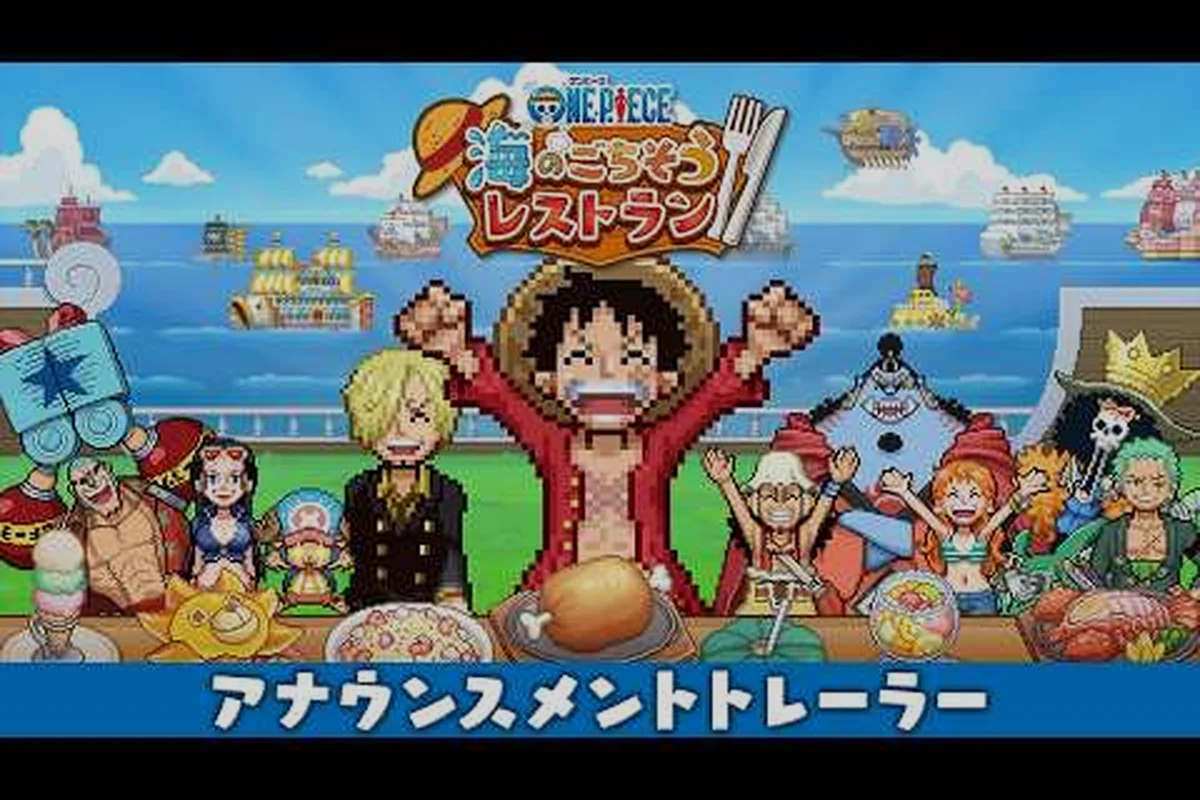
Parents checking whether ONE PIECE: Grand Gourmet is suitable for younger players keep coming back to the same question: what is the one piece grand gourmet cero rating? The answer is reassuring — the game carries a CERO A (All Ages) classification in Japan, which means the content committee found nothing objectionable for children. That single rating answers a lot of follow-up concerns about violence, language, and mature themes, but regional differences and platform-specific classifications deserve a closer look before you hand the controller to a kid.
The rating matters because it shapes expectations about what the game actually contains. A CERO A label tells you the core loop is wholesome management simulation rather than combat-heavy action, which aligns with what Bandai Namco and Kairosoft built here. This article breaks down the one piece grand gourmet cero rating across regions, explains what the PEGI rating means for European families, compares the experience to other Kairosoft titles like Game Dev Story, and offers practical guidance on whether this belongs in your family rotation.
What the CERO A Rating Actually Means for ONE PIECE: Grand Gourmet
The CERO A (All Ages) classification is the most family-friendly tier in Japan's rating system, and the official Bandai Namco product page lists it prominently for ONE PIECE: Grand Gourmet. According to the official ONE PIECE: Grand Gourmet website, the game received this rating because it contains no violence, no profanity, no sexual content, and no gambling mechanics — the categories that typically push titles into higher age brackets.
CERO evaluates content across five main categories: violence, sexual expression, language, substance use, and gambling. A CERO A rating means the game scored minimal or zero presence in all five. For a management sim where you run a restaurant in the world of One Piece, that makes sense — the conflict is about menu planning, staff scheduling, and customer satisfaction rather than sword fights or devil fruit battles.
The practical takeaway for parents is straightforward: the one piece grand gourmet cero rating confirms the game is designed with a broad audience in mind. The pixel art style, the gentle pacing, and the absence of gore or harsh language all reinforce what the rating committee determined. Players who want to understand how this fits into the broader progression can check the getting started guide for early-game expectations.
CERO A sits at the bottom of Japan's five-tier scale, which climbs through B (12+), C (15+), D (17+), and Z (18+). Games rated CERO A are considered appropriate for all ages with no content warnings, which is the same tier occupied by titles like Mario Kart and Kirby. That puts ONE PIECE: Grand Gourmet in excellent company for family gaming.
How CERO Compares to Other Regional Rating Systems
| Rating System | ONE PIECE: Grand Gourmet Classification | What It Means |
|---|---|---|
| CERO (Japan) | A (All Ages) | No content warnings; suitable for everyone |
| PEGI (Europe) | Pending store listing as of Aug 2026 | Expected PEGI 3 based on content profile |
| ESRB (North America) | Pending store listing as of Aug 2026 | Expected E (Everyone) based on content profile |
| GRAC (South Korea) | All (전체이용가) expected | No restrictions expected |
The table above shows the current status across major rating boards. While the one piece grand gourmet cero rating is confirmed and published, the PEGI and ESRB classifications had not yet appeared on store pages as of August 24, 2026, according to the Steam store listing. That's normal for games approaching a launch window — regional ratings often roll out closer to release date.
PEGI 3 is the expected European classification because the content profile matches other Kairosoft management sims that received that rating. PEGI 3 means no violence, no bad language, no fear-inducing content, and no gambling. The game's focus on restaurant management, character interactions, and resource allocation fits squarely within those parameters.
ESRB E (Everyone) similarly indicates content suitable for ages 6 and older, with no descriptors for violence, language, or suggestive themes. While the official ESRB listing hasn't published yet, the CERO A rating provides a strong signal about what to expect. Rating boards in different regions sometimes diverge, but for a game with this content profile, the classifications typically align.
Is ONE PIECE: Grand Gourmet Kids Friendly? A Content Breakdown
Beyond the official one piece grand gourmet cero rating, parents want to know what the game actually asks children to do. The answer is refreshingly simple: you manage a restaurant, cook dishes, serve customers, and expand your business. There's no combat system, no player death, no timed violence, and no competitive pressure against other human players.
The game features characters from the One Piece franchise, including Luffy, Sanji, and other Straw Hat crew members. While the anime series contains some intense moments, this game strips away the fighting and focuses on the culinary side of the world. Sanji's cooking skills take center stage, and the tone stays light and encouraging throughout.
Single-player focus means no online interactions with strangers, which eliminates a major concern for parents. The game is designed as a solo experience, and the Game Pass and DLC FAQ confirms that online features don't require a paid subscription for core play. That means no chat systems, no multiplayer lobbies, and no exposure to toxic player behavior.
Reading requirements are modest, though younger children may need help understanding menu descriptions and upgrade choices. The text is straightforward, and the pixel art interface is intuitive enough that most kids aged 8 and up can navigate it independently. The management mechanics involve resource allocation and planning, which actually provides light educational value around budgeting and prioritization.
What Content Parents Should Know Before Buying
| Content Area | Present in Game? | Notes |
|---|---|---|
| Violence | No | No combat, no injuries, no blood |
| Language | No | No profanity in dialogue or text |
| Sexual Content | No | No suggestive themes or imagery |
| Gambling | No | No loot boxes, no casino mechanics |
| Online Interactions | No | Single-player only, no chat systems |
| In-App Purchases | No | No paid DLC planned per current listings |
The table above summarizes the content assessment based on the official rating and store listings. The no paid DLC point is worth emphasizing because it means no surprise costs after purchase. According to the current store listings, the game offers a complete experience upfront, which is increasingly rare in modern gaming.
Microtransaction absence is a significant plus for families. Many mobile-style management games push players toward premium currency or energy systems, but ONE PIECE: Grand Gourmet follows the traditional Kairosoft model of a full game purchase with no ongoing monetization pressure. That aligns with the family-friendly positioning suggested by the one piece grand gourmet cero rating.
The game's difficulty curve is gentle, with the strategy guide noting that early chapters serve as tutorials for the deeper systems. Kids won't hit frustrating walls, and the satisfying loop of serving customers and upgrading facilities provides steady positive feedback. The pacing encourages short play sessions, which fits well with family schedules.
ONE PIECE: Grand Gourmet vs Other Kairosoft Games
Kairosoft has built a reputation over two decades for deep, addictive management simulations with charming pixel art. ONE PIECE: Grand Gourmet represents their first collaboration with Bandai Namco, and it draws heavily from the studio's established formula. The Kairosoft game information page confirms this is their first One Piece project, published by Bandai Namco Entertainment.
Game Dev Story remains Kairosoft's most famous title, where you run a game development studio. The core loop of hiring staff, assigning tasks, and releasing products shares DNA with Grand Gourmet's restaurant management. Both games use the same underlying progression systems: earn money, invest in upgrades, unlock new content, and chase high scores.
Doraemon Dorayaki Shop Story is arguably the closest comparison, as community discussion on r/Kairosoft frequently notes. Both games center on food preparation and shop management, though Grand Gourmet adds the One Piece IP layer with recognizable characters and locations. The dorayaki shop game focuses on a single product type, while Grand Gourmet offers a broader menu of dishes from the One Piece world.
| Kairosoft Game | Core Theme | Similarity to Grand Gourmet |
|---|---|---|
| Game Dev Story | Game studio management | High — same staff/resource loop |
| Doraemon Dorayaki Shop Story | Dorayaki shop management | Very High — food + shop focus |
| Dungeon Village | Town building for adventurers | Medium — facility placement |
| Pocket Stables | Horse racing stable management | Low — different fantasy theme |
| Magazine Mogul | Publishing company management | Medium — content creation loop |
The table above positions Grand Gourmet within Kairosoft's catalog. Players who enjoyed the one piece grand gourmet like game dev story comparison will find familiar satisfaction in the staff assignment system and research development mechanics. The game rewards careful planning and long-term thinking, just like Kairosoft's other titles.
Bandai Namco's involvement adds production value beyond typical Kairosoft releases. The One Piece license brings authentic character art, voice-overs, and story beats that fans will recognize. The collaboration appears to have given Kairosoft access to a larger budget, resulting in a more polished presentation while maintaining the studio's signature gameplay depth.
How the Gameplay Loop Compares
The one piece grand gourmet vs other kairosoft games comparison reveals both similarities and differences. The core loop follows the familiar pattern: open your restaurant, serve customers, earn money, hire staff, upgrade equipment, and expand your menu. However, the One Piece theme introduces unique elements like cooking signature dishes from the series and managing the Straw Hat crew as special customers.
Staff management works similarly to Game Dev Story, where each employee has stats that improve with experience. You assign staff to different roles — cooking, serving, and cleaning — and their performance directly affects customer satisfaction. The training system lets you invest money to boost specific skills, mirroring the development mechanics from Kairosoft's other games.
Facility upgrades follow the established pattern of purchasing better equipment and expanding your restaurant layout. Each upgrade costs money but increases your capacity or efficiency, creating the satisfying growth curve that Kairosoft fans expect. The game adds One Piece flavor through themed decorations and recipes that reference the series.
The research system unlocks new recipes and techniques, similar to the technology trees in other Kairosoft titles. Players choose what to research based on their current needs, creating meaningful strategic decisions. This depth is why the game appeals to both casual players and management sim enthusiasts.
Similar Games to ONE PIECE: Grand Gourmet
If the one piece grand gourmet cero rating has convinced you to try the game, you might also want to explore similar titles that offer comparable experiences. The management simulation genre has several excellent options, particularly for players who enjoy the food-themed gameplay or the Kairosoft formula.
Doraemon Dorayaki Shop Story is the most direct comparison, offering a similar food management experience with the beloved Doraemon characters. The game follows the same core loop of serving customers, upgrading your shop, and expanding your menu. It's available on multiple platforms and carries a similar family-friendly rating.
Cafeteria Nipponica is another Kairosoft title focused on food service, where you manage a restaurant across multiple locations. The game emphasizes menu development and customer satisfaction, making it a natural fit for players who enjoy Grand Gourmet's culinary focus. It offers a more traditional Kairosoft experience without the One Piece IP.
Game Dev Story remains essential for anyone who enjoys the underlying mechanics of Grand Gourmet. While the theme differs completely, the management systems feel very similar. Players who find themselves drawn to the staff training and research mechanics in Grand Gourmet will likely enjoy Game Dev Story's take on the same systems.
| Game Title | Platform | Price Range | Family Friendly? |
|---|---|---|---|
| Doraemon Dorayaki Shop Story | Mobile, PC | $5-$10 | Yes — all ages |
| Cafeteria Nipponica | Mobile | $5-$7 | Yes — all ages |
| Game Dev Story | Mobile, PC | $5-$10 | Yes — all ages |
| Dungeon Village 2 | Mobile | $7-$12 | Yes — mild fantasy |
| My Time at Portia | PC, Console | $20-$30 | Yes — mild action |
The table above lists similar games with their platforms and price points. My Time at Portia offers a different take on the crafting and management formula with a 3D world and light combat, but it maintains a family-friendly tone. The $5-$10 price range for most Kairosoft titles makes them accessible for families looking to expand their library.
Community recommendations on r/Kairosoft frequently mention that players who enjoy one Kairosoft game tend to enjoy them all, since the studio has refined a consistent formula over decades. The one piece grand gourmet like game dev story connection is particularly strong, with many players describing Grand Gourmet as "Game Dev Story with One Piece characters and food."
What Makes These Games Appeal to Families
The management simulation genre naturally appeals to families because it emphasizes planning, creativity, and positive reinforcement rather than competition or violence. Games like ONE PIECE: Grand Gourmet reward patience and strategic thinking, which are valuable skills for children to develop through play.
No fail states in the traditional sense means children can experiment without frustration. While it's possible to make suboptimal decisions, the games rarely punish players harshly. This gentle difficulty curve keeps younger players engaged while still offering depth for adults who want to optimize their performance.
The pixel art aesthetic is universally appealing and non-threatening, making these games visually appropriate for all ages. The charming character designs and colorful environments create a welcoming atmosphere that parents appreciate. The one piece grand gourmet cero rating reflects this visual and tonal consistency.
Short play sessions work well for family schedules, since most Kairosoft games can be played in 15-30 minute chunks. This makes them ideal for before-school entertainment or weekend afternoons without requiring a large time commitment. The games auto-save frequently, so stopping mid-session doesn't lose progress.
Regional Rating Differences and What to Expect
The one piece grand gourmet cero rating provides the clearest signal about content, but regional variations exist across rating systems. Understanding these differences helps families know what to expect regardless of where they purchase the game. The CERO A classification in Japan is the most definitive, but other regions use different frameworks.
PEGI (Pan European Game Information) uses a five-tier system ranging from PEGI 3 to PEGI 18. Based on the content profile, ONE PIECE: Grand Gourmet should receive a PEGI 3 rating, which indicates content suitable for all ages with no violence, language, or fear-inducing elements. The PEGI rating had not yet been published on store pages as of August 24, 2026, but the expected classification aligns with the CERO A determination.
ESRB (Entertainment Software Rating Board) uses a similar framework with ratings from E (Everyone) to AO (Adults Only). The expected ESRB E rating means content is suitable for ages 6 and older, with no descriptors for violence, language, or suggestive themes. Like the PEGI rating, the ESRB classification had not yet appeared on store listings as of the verification date.
GRAC (Game Rating and Administration Committee) in South Korea uses a different system, but the expected classification is All (전체이용가), which corresponds to no age restrictions. The game's content profile makes this classification straightforward, though the official listing may take time to appear.
| Region | Rating Board | Expected/Confirmed Rating | Age Recommendation |
|---|---|---|---|
| Japan | CERO | A (All Ages) — Confirmed | All ages |
| Europe | PEGI | 3 — Expected | All ages |
| North America | ESRB | E (Everyone) — Expected | 6+ |
| South Korea | GRAC | All — Expected | All ages |
| Australia | ACB | G (General) — Expected | All ages |
The table above summarizes the expected ratings across major regions. Australia's ACB classification typically aligns with other English-speaking regions, and a G (General) rating is expected based on the content profile. The consistency across rating boards reflects the game's genuinely family-friendly design.
Why ratings matter for parents goes beyond simple age recommendations. Rating systems provide a standardized assessment of content that helps families make informed purchasing decisions. The one piece grand gourmet cero rating tells you the game contains nothing that would concern a parent, which is valuable information in an industry where content varies widely.
Frequently Asked Questions
What is the ONE PIECE: Grand Gourmet CERO rating?
The game received a CERO A (All Ages) rating in Japan, which is the most family-friendly classification available. This means the content committee found no violence, language, sexual content, or gambling elements. The rating was confirmed on the official Bandai Namco product page.
Is ONE PIECE: Grand Gourmet kids friendly?
Yes, the one piece grand gourmet cero rating confirms the game is suitable for all ages. The gameplay focuses on restaurant management with no combat, no online interactions, and no microtransactions. The gentle difficulty curve and positive reinforcement make it appropriate for children aged 8 and up, though younger kids may need reading assistance.
What is the expected PEGI rating for ONE PIECE: Grand Gourmet?
The PEGI rating had not yet been published on store pages as of August 24, 2026, but a PEGI 3 classification is expected based on the content profile. This matches the CERO A rating and indicates no violence, language, or fear-inducing content. The ESRB rating is similarly expected to be E (Everyone).
Is ONE PIECE: Grand Gourmet similar to Game Dev Story?
Yes, the game shares the core management mechanics of Game Dev Story, including staff assignment, training, research, and facility upgrades. The main difference is the restaurant theme and One Piece IP. Players who enjoy one will likely enjoy the other, since both follow Kairosoft's proven formula.
How does ONE PIECE: Grand Gourmet compare to other Kairosoft games?
ONE PIECE: Grand Gourmet follows Kairosoft's signature management formula, most closely resembling Doraemon Dorayaki Shop Story, but with the One Piece license adding unique restaurant-building charm. If you enjoy Game Dev Story's staff training and research systems, you'll feel right at home. The CERO A rating confirms it's family-friendly, making it an easy recommendation for Kairosoft fans.