
Money Guide
Berries flow or bleed by your choices. Money strategies covering dish pricing, menu planning, customer flow, upgrade timing, and steady profit every service.
Introduction
Berries are the lifeblood of the Baratie II, and the money guide hub is where income strategy gets systematic. Every system in Grand Gourmet touches your wallet: dish pricing sets ticket size, menu planning controls throughput, dining-hall charm converts one-time guests into regulars who spend more, and upgrade timing decides whether today's profits become tomorrow's capacity. Official materials confirm the economic skeleton — pricing against customer patience, meal-set bundles, decor-driven regulars — while exact prices and payout values remain unpublished before launch. The strategies in this hub therefore focus on decision frameworks that hold regardless of numbers: what to buy first, when to expand seating, and how to time character events as revenue spikes around big story moments.
Income Strategy Matrix
| Strategy | Phase | Lever | Expected Impact |
|---|---|---|---|
| Price against patience | Early | Menu pricing | Steady tickets without walkouts |
| Invest in ingredient quality | Early | Kitchen stock | Better dishes before expansion |
| Build meal sets | Mid | Menu bundles | Higher average ticket size |
| Decor for regulars | Mid | Charm loop | Compounding return guests |
| Capture event surges | Later | Capacity buffer | Revenue spikes from story moments |
Money Playbooks
The Pricing Ladder
Set prices to your service speed, not your ambition
Quality Before Quantity
Ingredient investment outearns early seat expansion
The Regular Flywheel
Decor spending is the only upgrade that recruits customers
Event Surge Capture
Story moments are revenue spikes — build the bucket first
Meal Set Bundling
Bundle mains into sets to raise ticket size
Core Mechanics
Grand Gourmet's economy runs on a service-turn loop. Diners arrive, order from your menu, and pay after eating — higher-priced dishes mean bigger tickets but longer waits, a trade-off official copy states directly. Between turns, you reinvest: kitchen stations raise cooking capacity, seating raises guest flow, and furniture raises the charm that turns satisfied guests into regulars. Regulars are the compounding asset — they return without marketing, order more, and anchor your income floor. On top of the loop sit event spikes: character events and story moments bring surge crowds, and restaurants with spare capacity and deep menus capture the windfall while others turn guests away.
Advantages
Kairosoft economies reward planning over grinding, and Grand Gourmet's confirmed mechanics give strategists real levers. Pricing against patience means you can tune the menu to your service speed rather than chasing one optimal price. The regular-conversion loop means early decor investment pays dividends for the rest of the run — charm is the rare upgrade that keeps earning after purchase. Meal sets bundle mid-tier dishes into premium tickets, multiplying income without new recipes. And because the game is premium-priced with no microtransactions, every berry earned in game is spendable in game — the economy is self-contained, and mastery of it is the whole progression game.
Challenges
Pre-launch, this hub's main limitation is arithmetic: without official dish prices, furniture costs, or upgrade curves, no guide can print a verified profit table. Strategies here are frameworks — the numbers you fill in yourself from your own daily ledgers once the game is out. The economy may also hide traps Kairosoft has not announced: expansion costs that scale sharply, ingredient prices that spike with rarity, or event upkeep that punishes overbuilt halls. Budget conservatively, verify each purchase against your own income data, and treat any pre-launch income figure you see elsewhere — including ours — as an estimate until launch testing confirms it.
Frequently Asked Questions
What is the fastest way to earn berries early?+
What should I buy first with my early profits?+
Are there money glitches or exploits?+
How do regulars change my income?+
Quick Tips
Check your daily ledger after every menu change. Two days of comparison tells you more about a dish's true value than any pre-launch estimate could.
Keep a small cash reserve before story milestones — event surges are earning opportunities only if you can stock the kitchen for them.
When two upgrades cost the same, buy the one that removes a bottleneck you actually saw yesterday, not the one with the biggest number attached.
Seasonal menu rotation is income maintenance: regulars who see something new order more on return visits than those facing a frozen board.
Featured
ONE PIECE: Grand Gourmet Cash Flow Upgrade Priority List
Steady your cash flow in ONE PIECE: Grand Gourmet with an upgrade priority list, spending rules, and economy tips for every phase More depth lands after launch.
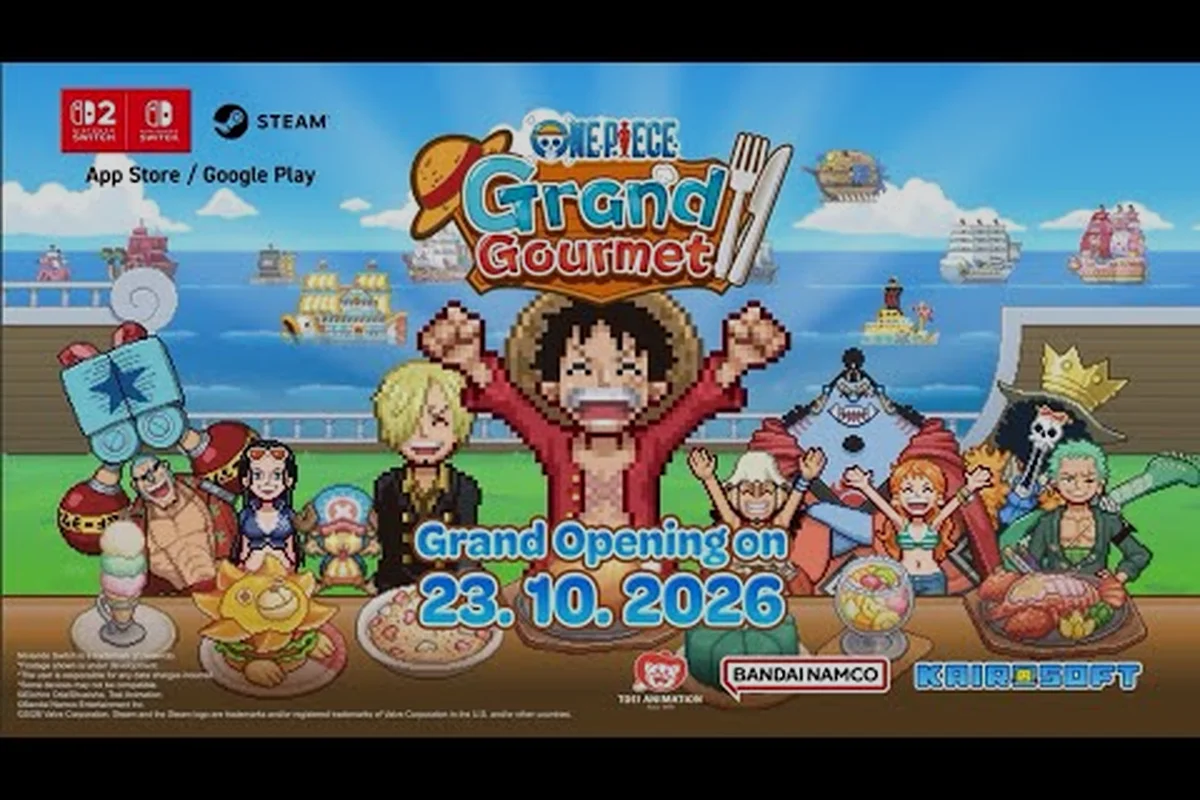
ONE PIECE: Grand Gourmet Kitchen Upgrade Guide Buying Order
This kitchen upgrade guide covers station buys, seating expansion, and growth sequencing so every Berry spent speeds up service. More depth lands after launch.

ONE PIECE: Grand Gourmet Money Glitch Rumors Vs Real Tactics
Separate money glitch rumors from real tactics. Honest berry farming routes for early, mid, and late game income in Grand Gourmet More depth lands after launch.
All Articles
ONE PIECE: Grand Gourmet Pricing Guide Bigger Guest Bills
Price dishes right with this pricing guide: ticket-size tradeoffs, patience curves, and profit windows for maximum revenue per guest. Charge more, lose nobody.

ONE PIECE: Grand Gourmet Money Guide Berries Every Shift
Grow your Berries with this money guide: pricing levers, busy-hour tactics, and upgrade timing that keep the Baratie II cash register humming.

ONE PIECE: Grand Gourmet Best Restaurant Guide Path To Fame
Chase five-star fame with this best restaurant guide: rich-fast tactics, decor appeal, and the famous-diner path to. Renown grows one plate at a time.

ONE PIECE: Grand Gourmet Ticket Size Guide Fatter Bills Fast
Raise average checks with this ticket size guide: set menus, add-ons, rush hour timing, and sales boosts that fatten every bill. More depth lands after launch.