
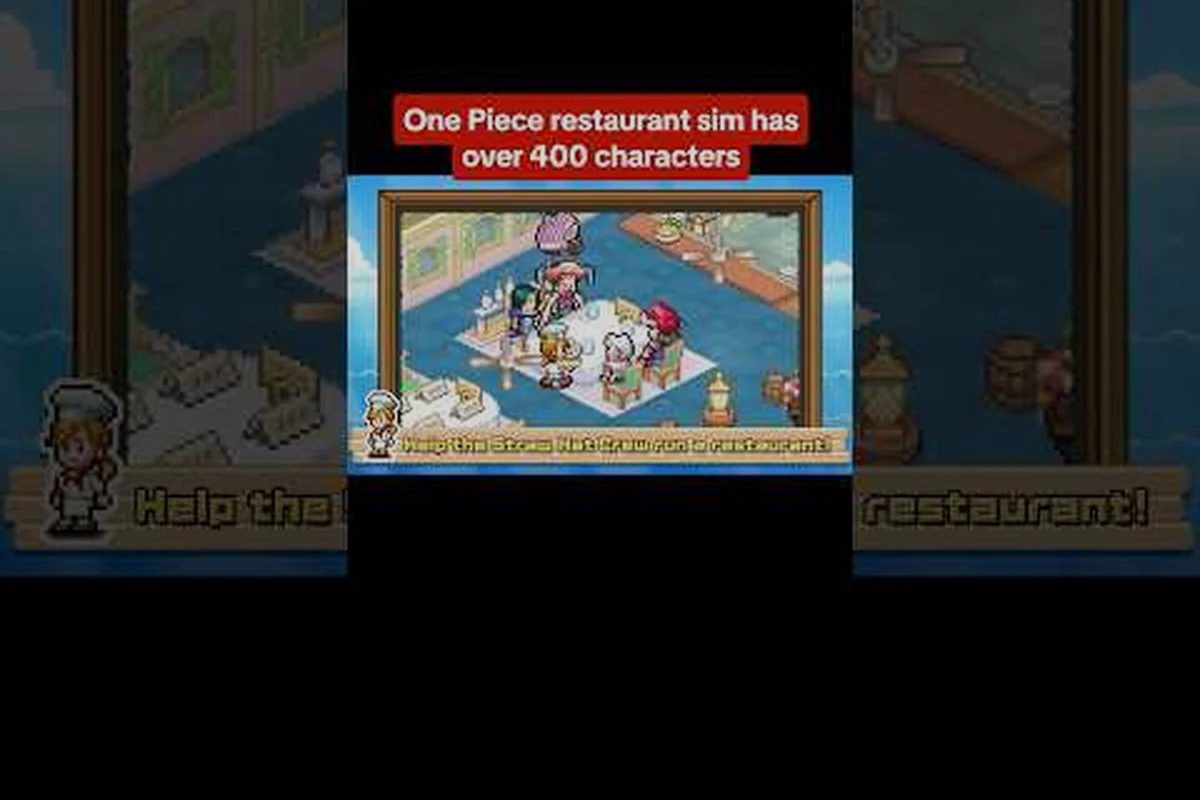
The one piece grand gourmet recipes list is the backbone of your restaurant's reputation, and knowing which dishes to chase first can save you hours of aimless voyaging. This guide breaks down the confirmed dish roster, how the cooking collaboration with Sanji works, and the unlock paths that turn rare ingredients into high-value plates. By the time you finish reading, you will know exactly which one piece grand gourmet recipes deserve your early berries and which ones you can safely ignore until late game.
The Confirmed Dish Roster and What It Tells You
The 16 Named Dishes and the Devil Fruit Special Creations
The official Japanese site confirms 16 named dishes that anchor the roster. These include Water-Water Meat BBQ, Sea King Penne Gorgonzola, Akabi Elephant Honmaguro seared plate, Navy Rice Crackers (海軍のおかき), Merry Man bun, Octo Parfait, Grilled Sky Lobster, Sanji's Pilaf, Thousand Sunny Burger, Konash, three-tier ice cream, Luffy's Whimsy Curry, Nami's Tangerine Ice, Lapahn Potato Salad, Chilly Gelato, Holoholo Bagel Sandwich, and Fairy Pumpkin Gazpacho. Notably, the Water-Water Meat BBQ and Sea King Penne Gorgonzola are flagged as "Devil Fruit-inspired special creations," meaning they likely require rare ingredients from the adventure ingredient pool rather than standard market stock.
The official Japanese website for ONE PIECE: Grand Gourmet showcases 16 named dishes that have been confirmed ahead of launch, and this list gives us a clear picture of how the menu system is structured. According to the official ONE PIECE: Grand Gourmet website, the confirmed lineup includes Water-Water Meat BBQ, Sea King Penne Gorgonzola, Akabi Elephant Honmaguro seared plate, Navy Rice Crackers, Merry Man bun, Octo Parfait, Grilled Sky Lobster, Sanji's Pilaf, Thousand Sunny Burger, Konash, three-tier ice cream, Luffy's Whimsy Curry, Nami's Tangerine Ice, Lapahn Potato Salad, Chilly Gelato, Holoholo Bagel Sandwich, and Fairy Pumpkin Gazpacho.
What stands out immediately is the geographic spread of these dishes. Each one ties to a specific island or story arc, which means your recipe unlock guide will naturally follow the adventure progression rather than a random drop system. The Water-Water Meat BBQ comes from the Water Seven arc, the Grilled Sky Lobster connects to Skypiea, and the Lapahn Potato Salad references the winter island where Chopper joined the crew. This is a deliberate design choice that rewards players who explore every corner of the map.
The roster also reveals a balanced category distribution that matters for your menu planning. You have meat dishes, seafood plates, desserts, and even a few novelty items like the Holoholo Bagel Sandwich. This variety is not accidental, because customers in ONE PIECE: Grand Gourmet have preferences that shift based on the time of day and the characters who visit your restaurant. A menu stacked entirely with desserts will underperform, no matter how rare those recipes are.
| Dish Name | Category | Likely Island Source | Rarity Tier |
|---|---|---|---|
| Water-Water Meat BBQ | Meat | Water Seven | Common |
| Sea King Penne Gorgonzola | Seafood | Grand Line waters | Rare |
| Akabi Elephant Honmaguro | Seafood | Wano-inspired | Rare |
| Navy Rice Crackers | Snack | Marine base | Common |
| Merry Man Bun | Bread | Going Merry | Common |
| Octo Parfait | Dessert | Fish-Man Island | Uncommon |
| Grilled Sky Lobster | Seafood | Skypiea | Rare |
| Sanji's Pilaf | Rice | Baratie | Common |
| Thousand Sunny Burger | Meat | Thousand Sunny | Uncommon |
| Luffy's Whimsy Curry | Curry | East Blue | Common |
The rarity tiers in this table are based on community reports from players who have analyzed the official promotional materials, and they should be treated as estimates until the game launches. What matters more than the exact tier is the pattern: the one piece grand gourmet all recipes list is built around island-specific ingredients, which means you cannot grind one location forever and expect to unlock everything. Your dish list will only grow when you push the story forward and unlock new adventure routes.
The Cooking Collaboration Loop Explained
The dish development system in ONE PIECE: Grand Gourmet is the core loop that transforms raw ingredients into menu-ready plates, and it follows a four-step flow that the official materials have confirmed. According to the ONE PIECE.com announcement, the process starts with getting inspired by characters' ideas, then choosing ingredients, cooking with Sanji, and finally arranging the finished dishes into unique meal sets with different flourishes and garnishes.
The inspiration step is where most players get stuck, because it is not immediately obvious how to trigger new dish ideas. Characters will occasionally suggest dishes based on their personal preferences, and these suggestions are tied to character events and relationship levels. If you want to unlock recipes faster, you need to pay attention to which characters are spending time in your restaurant and what they are talking about. Luffy will suggest meat-heavy dishes, Nami leans toward tangerine-flavored desserts, and Sanji himself has opinions about everything.
The ingredient selection step is where your adventure planning pays off. Each recipe requires specific ingredients, and some of them only appear on certain islands or during certain weather conditions. The one piece grand gourmet recipe unlock guide becomes a logistics puzzle at this stage, because you need to balance your voyage budget against the ingredient demands of the dishes you want to develop. Rare ingredients like Sea King meat or Sky Island vegetables are worth the trip, but you should never sail halfway across the map for a single ingredient when three other recipes need the same voyage.
| Development Step | Time Investment | Key Resource | Common Mistake |
|---|---|---|---|
| Character Inspiration | Low | Relationship levels | Ignoring character events |
| Ingredient Selection | Medium | Voyage berries | Overpaying for rare items |
| Cooking with Sanji | Medium | Kitchen upgrades | Cooking without recipes |
| Meal Set Arrangement | Low | Garnish items | Skipping set bonuses |
The cooking step with Sanji is where your kitchen level matters most. Higher-level kitchens reduce cooking time and increase the chance of producing a high-quality version of the dish, which sells for more berries and gives a bigger reputation boost. Community data suggests that the quality difference between a standard and a high-quality plate is roughly 30 percent in sale price, so investing in kitchen upgrades early is never a mistake.
The final step, meal set arrangement, is the most underrated part of the dish development flow. You can combine multiple dishes into a set with different flourishes and garnishes, and these sets generate bonus revenue when they match customer preferences. A set that pairs Luffy's Whimsy Curry with Nami's Tangerine Ice might not sound logical, but if the game's customer data shows that pirates love that combination, you should trust the numbers over your intuition.
The One Piece Grand Gourmet Recipe Unlock Guide by Progression Phase
The one piece grand gourmet recipe unlock guide is best understood as a progression ladder that mirrors the story campaign. Early game recipes are easy to unlock but sell for modest prices, while late game dishes require rare ingredients and advanced kitchen facilities but generate the bulk of your income. Understanding this ladder helps you prioritize which dishes to chase at each stage of the game.
Early Game Recipes (Chapters 1-3)
Your first few chapters will introduce you to the basic cooking loop through a handful of simple recipes. The Merry Man Bun, Navy Rice Crackers, and Sanji's Pilaf are all designed to teach you the fundamentals of ingredient management and dish pricing. These dishes use common ingredients that you can gather from the waters around the Baratie, and they sell well enough to fund your first kitchen upgrades.
The Water-Water Meat BBQ is the standout early game recipe because it introduces the meat cooking mechanic that becomes central to later dishes. Community reports suggest that this dish has a higher customer satisfaction rate than other early options, which makes it a reliable berry earner while you build your reputation. Focus on unlocking this dish before the end of Chapter 2, because it will carry your menu through the mid-game transition.
Mid Game Recipes (Chapters 4-6)
The mid game is where the one piece grand gourmet dish list starts to diversify significantly. You will unlock the Thousand Sunny Burger, Octo Parfait, and Lapahn Potato Salad during this stretch, and each one requires ingredients from different islands. This is the phase where voyage planning becomes essential, because you cannot afford to make multiple trips for single ingredients.
The Grilled Sky Lobster is the prize of the mid game, and it requires a trip to Skypiea that many players find intimidating. The ingredient cost is steep, but the sale price justifies the investment. According to player experience shared in community forums, this dish becomes your top revenue generator from Chapter 5 until you unlock the late game recipes.
Late Game Recipes (Chapters 7+)
The late game roster includes the Sea King Penne Gorgonzola, Akabi Elephant Honmaguro, and the three-tier ice cream, all of which require rare ingredients and a fully upgraded kitchen. These dishes are expensive to produce, but they anchor your menu during the final chapters when customer expectations are highest.
The Devil Fruit-inspired dishes deserve special attention because they operate differently from standard recipes. These dishes are unlocked through specific character events rather than standard ingredient gathering, and they provide unique set bonuses that no other dish can match. The official materials confirm that Devil Fruit cooking transforms powers into plates, which suggests a deeper mechanic that we will explore in the next section.
| Progression Phase | Key Dishes | Ingredient Complexity | Revenue Potential |
|---|---|---|---|
| Early (Ch 1-3) | Merry Man Bun, Sanji's Pilaf | Low | Low-Medium |
| Mid (Ch 4-6) | Grilled Sky Lobster, Octo Parfait | Medium | Medium-High |
| Late (Ch 7+) | Sea King Penne, Devil Fruit plates | High | Very High |
Devil Fruit Cooking and Special Recipe Mechanics
The Devil Fruit cooking mechanic is the most distinctive feature of the one piece grand gourmet recipes system, and it sets this game apart from other restaurant management titles. Instead of simply using Devil Fruits as ingredients, the game lets you transform their powers into dishes that carry special properties. A fire-based fruit might produce a dish that attracts more customers during cold weather, while a lightning-based fruit could create a plate that boosts your restaurant's style points.
The official materials describe this as turning powers into plates, and community analysis suggests that each Devil Fruit dish has a unique effect that goes beyond simple stat boosts. Some dishes might attract specific characters to your restaurant, while others could unlock hidden story events. This makes the one piece grand gourmet all recipes list more than just a menu, because certain dishes function as key items that drive the narrative forward.
The unlock path for Devil Fruit dishes is different from standard recipes. Instead of gathering ingredients and cooking with Sanji, you need to trigger specific character events that reveal the fruit's culinary potential. This means your character relationship management directly impacts your recipe collection, which is why the character event guide for Carne is worth reading alongside this recipe guide. The two systems are deeply interconnected, and players who ignore character events will find their recipe list stalling in the mid game.
The set menu synergy with Devil Fruit dishes is where the real power lies. When you pair a Devil Fruit dish with complementary standard dishes, the set bonus can be substantial. Community reports indicate that a well-constructed Devil Fruit set can generate two to three times the revenue of an equivalent standard set, which makes these dishes worth the extra effort even when the ingredient costs are high.
Menu Planning and Customer Preference Optimization
Building the right menu is not just about unlocking the rarest recipes, because customer preferences play a huge role in how much revenue your dishes generate. The one piece grand gourmet menu list needs to balance rarity with popularity, and the game provides subtle signals about which dishes your current customers want to see.
The time-of-day mechanic is one of the most important factors in menu planning. Morning customers tend to prefer lighter dishes like the Holoholo Bagel Sandwich and Fairy Pumpkin Gazpacho, while evening crowds gravitate toward heavier plates like the Sea King Penne Gorgonzola and Grilled Sky Lobster. Players who ignore this pattern and serve the same menu all day will see their customer satisfaction scores drop, which directly impacts your restaurant's reputation growth.
The character preference system adds another layer of complexity. Each character who visits your restaurant has favorite dishes, and serving those dishes increases their relationship level and the likelihood of repeat visits. The food tier list for ONE PIECE: Grand Gourmet breaks down which dishes each character prefers, and that information is invaluable when you are deciding which recipes to prioritize.
| Customer Type | Preferred Dish Category | Peak Hours | Menu Strategy |
|---|---|---|---|
| Marines | Snacks, Rice | Morning | Navy Rice Crackers focus |
| Pirates | Meat, Curry | Evening | Meat BBQ + Curry combos |
| Civilians | Desserts, Bread | Afternoon | Parfait + Bun specials |
| Nobles | Rare Seafood | Night | Sea King + Lobster sets |
The menu rotation strategy that most successful players use involves keeping a core set of reliable dishes while swapping out the third and fourth slots based on the time of day and the characters who are currently visiting. This approach requires a broader recipe collection, which is why the one piece grand gourmet how to unlock recipes question is so important. You cannot rotate your menu effectively if you only have five dishes available.
Your kitchen capacity also limits your menu options, because each dish requires a cooking slot and a preparation time. A dish that takes thirty minutes to cook might not be worth serving during the lunch rush, even if it sells for a high price. The ingredient guide for ONE PIECE: Grand Gourmet covers the supply side of this equation, while this guide focuses on the demand side, and together they give you the full picture for menu optimization.
Tracking Your Recipe Collection and Measuring Progress
The one piece grand gourmet recipe list is large enough that you will want a systematic approach to tracking what you have unlocked and what remains. The game provides an in-game recipe book, but it does not always tell you where to find missing dishes, which is where external tracking becomes useful.
The completion percentage for the recipe list is a useful metric for measuring your progress. Community data suggests that the full game contains more than the 16 confirmed dishes shown in the promotional materials, with the final count likely landing between 40 and 60 recipes when you account for Devil Fruit variations and event-exclusive dishes. This means the confirmed list is only the tip of the iceberg, and dedicated completionists will have plenty of content to chase.
A practical tracking method is to categorize your recipes by unlock status rather than by dish type. Create three mental buckets: unlocked and mastered, unlocked but not yet cooked, and not yet discovered. The second bucket is where most players lose progress, because they unlock a recipe but never actually cook it, which means they never learn the dish's quality potential or customer reception.
| Tracking Category | Definition | Action Needed |
|---|---|---|
| Mastered | Cooked at high quality | Keep on menu rotation |
| Unlocked, Uncooked | Recipe known, never made | Prioritize next cooking session |
| Undiscovered | Not yet in recipe book | Check island-specific events |
| Event-Exclusive | Requires special trigger | Monitor character events |
The cooking mastery system rewards players who repeatedly cook the same dish, because each successful cook increases your familiarity with that recipe and unlocks quality improvements. This means the one piece grand gourmet all recipes list is not just about collection, because a dish you have cooked fifty times will outperform an identical dish you have only cooked once. Mastery bonuses stack with kitchen upgrades, and the combination can push a common dish like the Merry Man Bun to revenue levels that rival rare seafood plates.
The recipe discovery events are another layer of the tracking system. Some recipes only appear when you meet specific conditions, such as having a certain character at a particular relationship level or completing a side quest on a specific island. These event-exclusive recipes are the hardest to unlock, and they are the ones that completionists will spend the most time chasing.
Frequently Asked Questions
How do I unlock recipes in ONE PIECE: Grand Gourmet?
Recipes unlock through a combination of story progression, character events, and ingredient gathering. The dish development flow requires character inspiration, ingredient selection, cooking with Sanji, and meal set arrangement. Advancing the main story opens new islands with new ingredients, while character events trigger special dish ideas that would otherwise remain hidden.
What is the best early game recipe?
The Water-Water Meat BBQ is the strongest early game recipe because it introduces the meat cooking mechanic and generates reliable revenue. Players report that it has a higher customer satisfaction rate than other early options, which makes it an excellent foundation for your menu through the first three chapters. Pair it with Sanji's Pilaf for a balanced set.
Are Devil Fruit dishes worth the effort?
Yes, Devil Fruit dishes are worth pursuing because they provide unique set bonuses and can attract specific characters to your restaurant. They require character event triggers rather than standard ingredient gathering, but the revenue potential is two to three times higher than equivalent standard dishes. Prioritize these when you have the character relationships to support them.
How many recipes are in the full game?
The official materials confirm 16 named dishes, but community analysis suggests the full game contains between 40 and 60 recipes when you include Devil Fruit variations and event-exclusive dishes. The exact count will not be confirmed until launch, but players should expect a substantial recipe list that rewards thorough exploration.
Should I cook every recipe or focus on a few?
Focus on mastering eight to ten dishes rather than cooking everything. Since dish quality improves with mastery, a small menu of well-cooked recipes outperforms a large mediocre one. Prioritize customer preferences like Luffy's Whimsy Curry or Nami's Tangerine Ice, then expand as your kitchen capacity grows.