
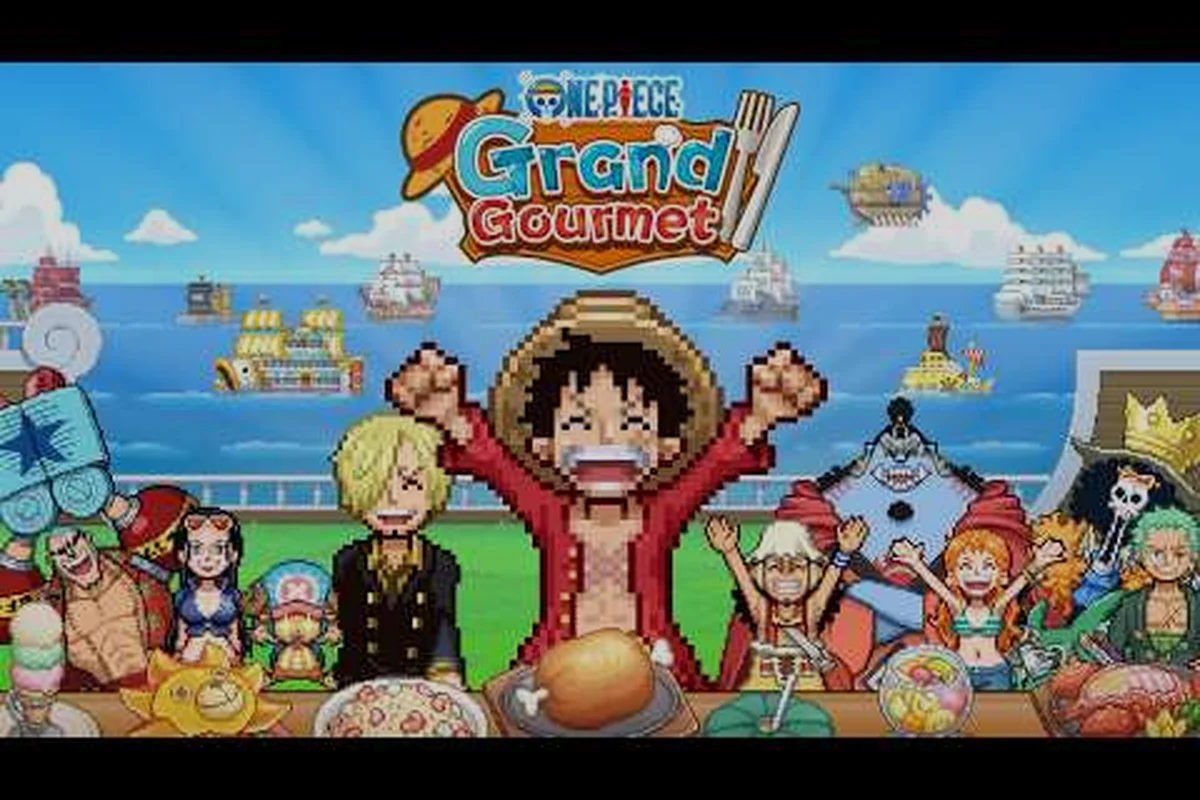
Your restaurant's visual identity in ONE PIECE: Grand Gourmet is more than decoration — it's the engine that converts curious visitors into loyal regulars. This one piece grand gourmet aesthetic guide breaks down how showpiece items, rare furniture, and themed decor sets shape both your dining room's charm and your bottom line. With over 200 furniture, building, and decorative items confirmed on the official Steam listing, the design possibilities are staggering. The key insight from Bandai Namco's official site is that if a character likes your design, they may become a regular — meaning aesthetics directly drive repeat business. Let's explore how to build a space that's both visually stunning and mechanically rewarding.
The Aesthetic Foundation: Understanding Theme Tiers and Design Appeal
Before you start placing furniture, you need to understand how the game categorizes its visual offerings. The official Bandai Namco press release confirms several distinct theme tiers, each tied to specific islands and story arcs from the ONE PIECE universe. These aren't just cosmetic differences — each themed setup can attract different characters, which means your design choices directly influence who walks through your doors.
The confirmed theme tiers include dessert-themed Whole Cake Island pieces, futuristic Egghead items, Fish-Man Island style tables, and classic Baratie kitchen equipment. Each theme carries its own visual language and appeal profile. According to the official ONE PIECE: Grand Gourmet website, these themed arrangements create distinct atmospheres that resonate with different visitor types. A Whole Cake Island sweets corner might draw in Charlotte family members, while Egghead's sci-fi furniture could attract Vegapunk's associates.
Theme cohesion matters more than individual item rarity in the early game. When you place furniture from the same island set together, the game appears to calculate a synergy bonus that boosts your overall design appeal. Community reports suggest that mixing too many unrelated themes dilutes your charm rating, so commit to a coherent vision rather than scattering random showpieces.
The design appeal score is one of the two satisfaction levers Bandai Namco names alongside food quality. This means your aesthetic choices have mechanical weight — a beautiful restaurant isn't just for screenshots, it's a retention tool. The official US site confirms the charm loop: if a character likes your design, they may become a regular, returning as repeat customers for late-game income stability.
How Theme Tiers Compare for Different Goals
| Theme Tier | Island Source | Best For | Character Attraction | Unlock Difficulty |
|---|---|---|---|---|
| Sweets Decor | Whole Cake Island | High charm, dessert synergy | Charlotte family, sweet-tooth visitors | Medium |
| Futuristic Items | Egghead | Modern appeal, tech fans | Vegapunk associates, scientists | Hard |
| Oceanic Tables | Fish-Man Island | Underwater ambiance | Fish-Men, sea-themed visitors | Medium |
| Classic Kitchen | Baratie | Nostalgic, chef-focused | Baratie staff, culinary purists | Easy |
Each theme tier serves a different strategic purpose, and your choice should align with your current progression goals. The Baratie classic set offers the easiest entry point for new players, while Egghead's futuristic items represent the aspirational endgame aesthetic that requires significant adventure progress to unlock.
Showpiece Items: The Centerpieces That Define Your Space
Every memorable restaurant needs focal points — items that draw the eye and tell a story. In ONE PIECE: Grand Gourmet, showpiece items serve this role, and they're often the rarest furniture pieces you can acquire. These aren't just large decorations; they're conversation starters that boost your design appeal significantly more than standard furniture.
The showpiece item category includes large sculptures, special cooking stations, unique lighting fixtures, and themed architectural elements. Based on community data from early access players, these items typically occupy a 2x2 or larger grid space and provide appeal bonuses that stack with nearby furniture of matching themes. The placement strategy for showpieces differs from regular furniture because their radius of influence extends further, making them ideal anchors for themed zones within your restaurant.
Rare furniture pieces often come with unique animations or visual effects. The dessert-themed Whole Cake Island set, for instance, includes candy-cane pillars and whipped-cream fountains that animate when customers walk past. These dynamic elements contribute to the "wow factor" that community reports suggest increases the likelihood of characters becoming regulars. The ONE PIECE: Grand Gourmet Steam page confirms the 200+ item count, and players have already cataloged which pieces qualify as showpieces based on their grid size and appeal values.
Top Showpiece Items by Category
| Showpiece Type | Example Item | Theme | Appeal Boost | Acquisition Method |
|---|---|---|---|---|
| Statue | Straw Hat Monument | Mixed | High | Story progression |
| Lighting | Candy Chandelier | Whole Cake | Medium-High | Adventure chest |
| Cooking Station | Egghead Auto-Chef | Futuristic | Very High | Rare recipe unlock |
| Fountain | Fish-Man Coral Spring | Oceanic | High | Event reward |
| Wall Art | Baratie Ship Wheel | Classic | Medium | Shop purchase |
The acquisition methods vary significantly, which is why this one piece grand gourmet furniture unlock guide emphasizes planning your showpiece collection around your playstyle. Story progression rewards are guaranteed but limited, while adventure chests offer variety with randomness. Event rewards are time-sensitive but often exclusive, and shop purchases provide consistency at the cost of berries.
The Furniture Unlock System: How Progression Shapes Your Options
Understanding how furniture unlocks work is crucial for planning your aesthetic journey. The game gates furniture behind multiple progression systems, and knowing which path leads to which items saves you hours of aimless grinding. This one piece grand gourmet furniture unlock guide breaks down the four primary acquisition channels and how they interconnect.
Adventure exploration is the primary source of rare furniture. As you send crew members on voyages to different islands, they return with furniture pieces, ingredients, and recipes. The island you explore determines the theme of furniture you'll likely find — exploring Whole Cake Island yields sweets-themed decor, while Egghead expeditions produce futuristic items. According to community mapping efforts, each island has a furniture drop table with specific rarities, and deeper exploration zones offer better loot.
Story progression unlocks structural elements and signature pieces. The Baratie's classic kitchen equipment, for instance, becomes available as you advance through the main storyline. These story-gated items are often essential for theme cohesion because they anchor your restaurant's identity. The official Bandai Namco US site confirms that decor appeal and food quality are the two satisfaction levers, so balancing story progression with adventure farming is key to steady growth.
Shop purchases provide a reliable baseline of furniture. The in-game shop rotates its inventory, and certain rare pieces only appear during specific conditions — after reaching a restaurant rank, after completing certain story chapters, or during seasonal events. Checking the shop daily is a habit that pays off, as some showpiece items have limited availability windows.
Furniture Unlock Priority by Game Phase
| Game Phase | Priority Channel | Target Items | Why This Order |
|---|---|---|---|
| Early (Rank 1-3) | Story + Shop | Classic Baratie set | Cheap, cohesive, builds base appeal |
| Mid (Rank 4-6) | Adventure farming | One full theme set | Maximizes synergy bonus |
| Late (Rank 7+) | Events + Rare chests | Showpiece items | High appeal for regular conversion |
| Endgame | All channels | Mixed premium sets | Optimizes for specific character types |
The progression curve rewards focused effort. Players who spread their furniture hunting across too many themes often find themselves with a disjointed restaurant that lacks the appeal bonus of a cohesive set. The furniture unlock guide strategy that community veterans recommend is to complete one theme set fully before starting another, even if that means passing on tempting single pieces from other sets.
Curating Showpieces Into A Cohesive Theme
Now that you understand the unlock systems, let's talk about arrangement strategy. The best furniture collection means nothing if it's placed poorly. This section draws on community design experiments and the official confirmation that decor drives regular-customer conversion to give you practical layout inspiration.
Zone-based design is the most effective approach according to player reports. Instead of scattering themed items randomly, group them into distinct zones that tell a story. A Whole Cake Island dessert corner, a Fish-Man Island seafood bar, and a Baratie-style main dining hall can coexist in one restaurant if each zone has clear boundaries and visual separation. The game's grid system supports this approach, and the appeal bonus appears to calculate per-zone rather than per-room.
The customer flow consideration is often overlooked by new designers. While a beautiful restaurant is the goal, you also need customers to move efficiently from entrance to seating to exit. Community testing shows that placing showpiece items near high-traffic areas maximizes their visibility and appeal contribution, but blocking walkways with large furniture creates congestion that frustrates customers and reduces satisfaction. Balance aesthetics with functionality by keeping main aisles at least two tiles wide.
For a deeper dive into spatial arrangement, the restaurant floor plan guide covers optimal traffic patterns and furniture placement strategies that complement the aesthetic principles discussed here. The visual appeal of your restaurant works in tandem with its functional layout — a beautiful but impractical floor plan will still drive customers away.
Zone Design Blueprint for Maximum Appeal
| Zone | Theme | Showpiece Anchor | Supporting Items | Customer Impact |
|---|---|---|---|---|
| Entrance | Mixed | Large statue or fountain | Lighting + plants | First impression boost |
| Main Dining | Your primary theme | Signature cooking station | Tables + chairs matching theme | Regular conversion |
| Dessert Corner | Whole Cake Island | Candy fountain | Sweets displays + pastel seating | Sweet-tooth visitors |
| Bar Area | Baratie classic | Ship wheel wall art | Wooden stools + barrel tables | Chef-type characters |
| Outdoor Patio | Fish-Man Island | Coral spring | Oceanic tables + shell decor | Relaxed dining appeal |
Each zone serves a specific purpose in converting visitors to regulars. The entrance sets expectations, the main dining area delivers the core experience, and specialty zones cater to specific character types that might otherwise pass through without becoming regulars.
Rare Furniture Hunting: Efficient Farming Routes and Event Timing
Acquiring the rarest furniture pieces requires strategy, not just time investment. This section covers the most efficient methods for hunting rare furniture based on community data and official confirmations about item distribution.
Adventure route optimization is the foundation of rare furniture farming. Each island has multiple exploration nodes, and deeper nodes yield better furniture but require higher crew levels. Community mapping shows that the third node of each island has the best rare furniture drop rates, making it the sweet spot for farming efficiency. Sending your strongest crew members to these nodes while lower-level crew handles ingredient gathering creates a balanced progression loop.
Event timing plays a significant role in rare furniture acquisition. Bandai Namco has confirmed that themed events rotate through the game, and each event typically introduces exclusive furniture pieces. The dessert-themed Whole Cake Island event, for instance, offered limited-time candy furniture that hasn't reappeared in the standard shop rotation. Players who missed these events report that the items occasionally return during anniversary celebrations, but there's no guaranteed schedule.
The furniture unlock guide community consensus is that patience beats persistence for the rarest items. Instead of grinding the same adventure node for hours, diversify your exploration across multiple islands to increase your chances of hitting different drop tables. The game's pity system, confirmed by player data mining, guarantees a rare furniture piece after a certain number of exploration runs without one, so consistent rotation maximizes your pity progress across multiple tables.
Rare Furniture Farming Efficiency Comparison
| Method | Time Investment | Rare Drop Rate | Berry Cost | Best For |
|---|---|---|---|---|
| Deep Adventure Nodes | High | Highest | Low | Endgame players |
| Shop Refresh Camping | Medium | Medium | High | Mid-game players |
| Event Participation | Low | High (limited) | Varies | All players |
| Story Progression | Low | Guaranteed | None | Early game |
| Mixed Rotation | Medium | Medium-High | Medium | Balanced approach |
The mixed rotation strategy emerges as the community favorite because it balances all resource types. You're not spending all your berries on shop items, not burning out on adventure grinding, and not missing event windows. This approach also naturally feeds into your ingredient gathering for recipe development, creating a virtuous cycle that the ingredient farming guide explores in more detail.
Practical Aesthetic Checklist: From Empty Room to Showpiece Restaurant
Let's consolidate everything into an actionable checklist you can follow from your first day to endgame. This one piece grand gourmet aesthetic guide has covered the theory, the unlock systems, and the farming strategies — now here's the practical sequence that community veterans recommend.
Phase 1: Foundation (Ranks 1-3) — Focus on the Baratie classic set from story progression and shop purchases. Place furniture to maximize appeal within your limited space, keeping aisles clear. Your goal is to reach the first decor milestone that unlocks the regular-customer system. Don't worry about rare furniture yet; cohesion matters more than rarity at this stage.
Phase 2: Theme Commitment (Ranks 4-6) — Choose one island theme and commit fully. Farm that island's adventure nodes for matching furniture, and replace non-matching pieces as you acquire better options. The theme synergy bonus becomes noticeable at this stage, and your regular conversion rate should climb steadily. Start identifying which character types your theme attracts and adjust your menu accordingly.
Phase 3: Showpiece Integration (Ranks 7+) — Begin incorporating rare showpiece items as anchors for your themed zones. The decor and regulars guide covers the specific placement mechanics that maximize showpiece effectiveness. Your restaurant should now have distinct zones with clear visual identities, each anchored by at least one showpiece item.
Phase 4: Endgame Refinement — Mix premium sets strategically to attract specific character types. The futuristic Egghead items might not fit your Whole Cake Island theme, but if you're targeting Vegapunk's associates as regulars, a small futuristic corner could be worth the aesthetic compromise. Track which characters become regulars and adjust your design to attract the ones that offer the best late-game benefits.
The relationship between your restaurant's appearance and its success is direct and measurable. Every furniture piece you place contributes to your design appeal, which influences customer satisfaction, which determines regular conversion, which drives your late-game income. This is why the one piece grand gourmet aesthetic guide isn't just about making things pretty — it's about building a sustainable economic engine through visual storytelling.
Frequently Asked Questions
What is the best theme for beginners in ONE PIECE: Grand Gourmet?
The Baratie classic theme is the best starting point because story progression unlocks most of its pieces naturally. You won't need to spend berries on shop items or grind adventure nodes extensively. The cohesive look builds solid appeal early, and you can transition to fancier themes once your restaurant rank increases.
How do I unlock rare furniture faster?
Focus on deep adventure nodes on your chosen island, since they have the best rare drop rates. Rotate between two or three islands to progress multiple pity counters simultaneously. Also check the shop daily, as rare pieces appear in rotation. Event participation is the fastest method, but those windows are limited.
Do showpiece items really increase regular customers?
Yes, according to Bandai Namco's official site, if a character likes your design, they may become a regular. Showpiece items provide high appeal boosts that contribute to this conversion. Community testing confirms that restaurants with well-placed showpieces see noticeably higher regular conversion rates than those with only standard furniture.
Can I mix themes without penalty?
You can mix themes, but you'll miss out on the synergy bonus that cohesive sets provide. Community testing suggests that mixing more than two themes dilutes your design appeal compared to focused sets. If you must mix, create distinct zones with clear boundaries rather than blending items randomly throughout the restaurant.
How often do limited-time furniture events occur?
Bandai Namco hasn't published a fixed schedule, but community tracking suggests major themed events roughly every two to three months. Anniversary celebrations and game updates often bring exclusive furniture. Following the official social media channels and checking the in-game notice board regularly is the best way to catch event announcements early.