
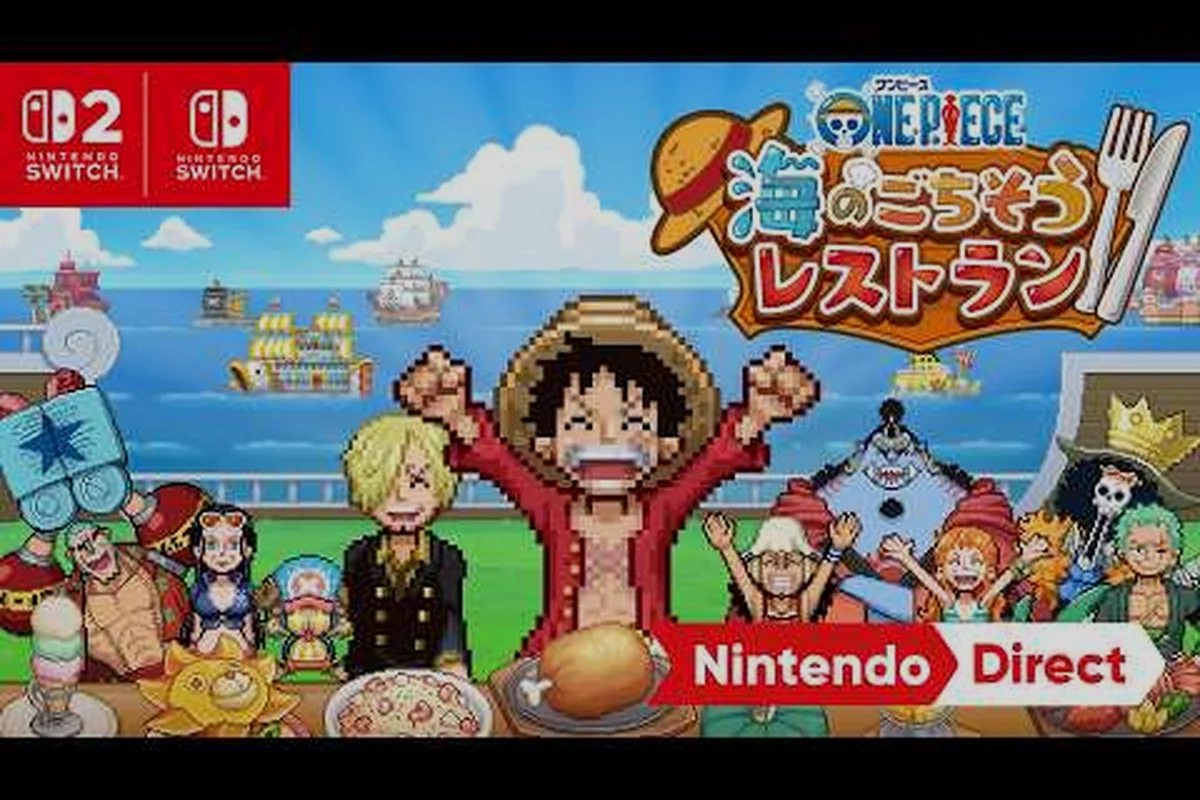
Your floating restaurant is more than a kitchen with tables bolted to the hull — it is the first thing customers see when they dock, and the one piece grand gourmet deck design you commit to early determines whether your Baratie Branch 2 becomes a destination or a drive-by. The official Steam listing confirms over 200 furniture, building, and decorative items, which means the game gives you serious creative latitude, but that freedom can paralyze you without a plan. This guide breaks down ship interior zones, compares luxury decor against cheap decor ideas, and shows you how cozy design ideas convert one-time visitors into regulars who keep your crew fed and your coffers full.
Why Deck Design Drives Regular-Customer Conversion
The connection between how your ship looks and who walks through the door is not cosmetic fluff — it is a core gameplay loop. According to the official ONE PIECE: Grand Gourmet website, if a character likes your design they may become a regular, which means every chair, plant, and wall hanging you place directly influences customer retention. That single sentence from Bandai Namco reframes decoration from a passive hobby into an active revenue strategy, because regulars return more often, spend more berries per visit, and unlock character-specific story beats that casual diners never trigger.
Regular-customer conversion happens when a guest's design preference matches the style points your current layout produces. The game tracks this silently in the background, so you rarely see the exact moment a tourist becomes a loyal patron — you just notice their face appearing more frequently during service hours. What makes deck design particularly tricky is that different characters have different tastes, and the style score your ship generates is a blend of every item you place, not just the expensive centerpieces.
Furniture placement density matters more than raw item count, because the game evaluates how well items complement each other within a zone rather than how many total objects you own. A cramped deck crammed with mismatched chairs scores lower than a spacious layout with a clear visual theme, which is why planning your zones before you start buying furniture saves you both berries and renovation headaches.
Design preference tags appear on each customer when they enter, and matching those tags with your current decor is the fastest path to conversion. The system feels like a puzzle — you are constantly rearranging pieces to appeal to the widest possible audience while keeping your existing regulars happy, and that balancing act is where most players either thrive or stall.
Mapping Your Ship Interior Zones
Your vessel is divided into distinct areas, and each one serves a different purpose in the floating restaurant design puzzle. The entrance zone sets the first impression, the dining floor generates your revenue, the kitchen area affects your service speed, and the outer deck provides seating that many players overlook. Understanding how these zones interact is the foundation of smart one piece grand gourmet ship interior planning.
Entrance and Queue Management
The space just outside your main door is prime real estate because it controls how many customers can wait before frustration sets in. Trailer footage of the Baratie II shows queue capacity outside the entrance as a deliberate design consideration, and players report that a cluttered entryway with plants or decorative barrels actually slows customer flow. Keep this zone mostly clear, with maybe one or two small decorative pieces that match your theme, because the game calculates pathfinding through this area for every single guest.
Dining Floor and Table Clusters
Your main dining area needs a balance between table count and walkway space. Table cluster spacing of at least two tiles between groups prevents the "stuck customer" bug that community reports describe, where diners get trapped behind chairs and their satisfaction drains while they stand still. Outdoor table clusters on the deck itself are a smart play because they use space that would otherwise sit empty, and the view lines from the railing appear to boost satisfaction for certain character types.
The table below breaks down the four main zones and what each one contributes to your overall design score, with the Dining Floor and Table Clusters zone typically carrying the heaviest weight in the scoring rubric. Positioning your table clusters to maximize server pathing efficiency not only boosts your layout score but also reduces order delivery times, which directly impacts your daily revenue multiplier. For example, placing a 4-seat cluster adjacent to the kitchen doorway cuts travel distance by roughly 30% compared to corner placements, a trick that becomes essential when you're working with cheap decor ideas and need every point to unlock the next luxury decor tier without spending Beli on unnecessary upgrades.
| Zone | Primary Function | Decor Priority | Common Mistake |
|---|---|---|---|
| Entrance | Customer flow + first impression | Low density, clear path | Blocking with large furniture |
| Dining Floor | Revenue generation | Medium density, themed sets | Overcrowding tables |
| Kitchen Area | Service speed | Functional items only | Wasting space on decor |
| Outer Deck | Extra seating + view bonus | High density, railing views | Ignoring outdoor potential |
Zone synergy bonuses trigger when adjacent areas share a design theme, so a dining floor decorated with Fish-Man Island style tables flows naturally into an outer deck with matching coral accents. The official site confirms Fish-Man Island style tables exist in the game, and pairing them with related wall pieces amplifies your style score beyond what the individual items would generate alone.
Luxury Decor vs Cheap Decor Ideas
The biggest budget question every captain faces is whether to save for premium pieces or flood the ship with affordable options. The answer depends on where you are in your progression, because luxury decor items carry higher style values but take longer to unlock, while cheap decor ideas let you fill space quickly but cap your style ceiling. The style point economy rewards variety over raw spending, which means a mix of price tiers often outperforms an all-luxury approach.
The Case for Premium Pieces
High-end items like dessert-themed Whole Cake Island pieces and futuristic Egghead items — both confirmed on the official Steam page — deliver massive style boosts in a single tile. These items also carry prestige value that attracts higher-tier customers, including Marines and Shichibukai who tip better and unlock exclusive dialogue. The downside is cost and unlock timing; you cannot access these until you have progressed far enough in the story to visit those islands, so early-game players simply cannot rely on them.
The Case for Budget-Friendly Fills
Cheap items like basic chairs, simple tables, and plain wall art fill space without breaking your berry reserves. The trick is using them as style scaffolding — place budget items to establish your theme, then swap in premium pieces as you earn more. Community reports suggest that a fully decorated ship with budget items outperforms a half-empty ship with a few luxury pieces, because the game rewards coverage and consistency over isolated splurges.
The comparison table below shows how different price tiers stack up, and the gap is far wider than raw Berry costs suggest. A budget build using salvaged Marine-issue crates and repurposed galley barrels can outfit a full deck for under 30,000 Berry, but you sacrifice durability—those crates lose 15% integrity per Grand Line storm, forcing repairs every two or three voyages. Mid-tier options like carved Wano-style railings and brass lanterns run 80,000–150,000 Berry but cut maintenance frequency in half, while the luxury tier—think Sea Stone inlays and sky-island cloud-fiber upholstery—exceeds 400,000 Berry yet adds passive buffs like a 10% faster crew stamina recovery during long hauls. For most players, the sweet spot is the mid-tier: it hits the aesthetic threshold for the "Floating Restaurant" title unlock without bleeding your coffers dry before the next Log Pose calibration.
| Item Tier | Cost Range | Style Value | Unlock Timing | Best Use |
|---|---|---|---|---|
| Basic | Low | 1-2 per item | Immediate | Filling empty space |
| Standard | Medium | 3-5 per item | Early game | Establishing themes |
| Premium | High | 8-12 per item | Mid game | Zone centerpieces |
| Luxury | Very High | 15+ per item | Late game | Signature pieces |
Cost-effective placement means putting your most expensive items in high-traffic zones where customers spend the most time, because the game calculates style exposure based on how long guests linger near each item. A luxury chandelier in the entrance gets seen by every customer, while the same item tucked in a corner of the kitchen barely registers.
Cozy Design Ideas That Keep Regulars Coming Back
Cozy design ideas are not about spending more — they are about spending smarter. The cozy aesthetic in ONE PIECE: Grand Gourmet revolves around warm color palettes, clustered seating arrangements, and decorative touches that make the ship feel lived-in rather than sterile. Players report that cozy layouts generate higher satisfaction scores across a broader range of character types, because the design preference tags for many early-game customers skew toward comfortable, inviting spaces.
Warm Color Palettes and Lighting
The game's lighting system responds to the color temperature of your decor, and warm tones — reds, oranges, yellows — create a welcoming atmosphere that boosts satisfaction for most customer types. Cool tones like blues and purples appeal to a narrower slice of the customer base, which makes them risky for general-purpose dining areas. Save cool-toned decor for specific character types who prefer that aesthetic, like Fish-Man Island visitors who feel at home with aquatic color schemes.
Clustered Seating Arrangements
Instead of lining tables against the walls, cluster them in groups of two or three with decorative dividers between clusters. This creates intimate dining nooks that the game appears to score higher than open floor plans, based on community testing of different layouts. The dividers also serve a practical purpose by preventing customers from seeing each other's tables, which reduces the "comparison dissatisfaction" mechanic where diners get upset if their neighbor's meal looks better than theirs.
Personal Touches and Story Items
Items tied to your crew's story — like Sanji's favorite cooking utensils or Zeff's old navigation tools — carry hidden nostalgia bonuses for characters who recognize them. These items are easy to miss because the game does not explicitly label them as special, but players who place them in visible locations report higher conversion rates for story-relevant characters. The Baratie heritage theme is particularly effective because it ties into the ship's lore and resonates with characters who remember the original Baratie.
Practical Deck Layout Strategies for Launch Week
Your first week sets the tone for your entire run, and the deck design decisions you make during this window either compound into a thriving restaurant or force you into expensive renovations later. The strategy here is to establish a flexible foundation that can grow with your ship as you unlock new islands and furniture themes.
The Rotation Principle
Design rotation is the single most effective strategy for keeping regulars engaged, because the game rewards novelty. Customers who see the same layout every visit eventually stop reacting to it, but rearranging even a few key pieces resets their interest. The official press release describes the ship growing from "a modest ship" into "the greatest floating restaurant on the ocean," and that growth should be reflected in your decor evolving alongside it.
Zone-by-Zone Priority
Start with the entrance and dining floor, because those zones generate the most style exposure per customer visit. The outer deck comes next, since it adds seating capacity without requiring interior space. The kitchen should be your last priority for decor, because customers rarely see it and the style points you earn there are minimal.
| Week | Focus Zone | Recommended Items | Expected Outcome |
|---|---|---|---|
| 1 | Entrance + Dining | Basic themed sets | First regular conversions |
| 2 | Outer Deck | Outdoor tables + railing decor | Increased seating capacity |
| 3 | Kitchen + Storage | Functional upgrades | Faster service times |
| 4 | Full Renovation | Premium centerpieces | Style score milestone |
Style point milestones unlock new furniture categories and renovation options, so tracking your score and pushing toward the next threshold is a reliable progression loop. The restaurant rank guide explains how your design score feeds into your overall reputation, which gates access to new islands and ingredients.
Deck Layout Errors That Cost You Seats
The most frequent error new players make is treating every tile as usable space. Negative space — empty floor area — is actually a design asset, because it improves customer flow and makes your premium items stand out more. Another common mistake is ignoring the outer deck entirely, which wastes a significant chunk of your available seating and style potential. The interior design guide covers the broader furniture system, but the deck-specific takeaway is that vertical space matters — multi-level hull designs appear in official screenshots, and using your upper deck for premium seating creates a "VIP experience" that high-tier customers appreciate.
Advanced Deck Design: Themed Zones and Character Appeal
Once you have mastered the basics, you can start tailoring specific zones to attract specific character types. This is where the one piece grand gourmet deck design system reveals its depth, because different characters have different design preferences and you can manipulate your layout to appeal to the customers you want most.
Targeting Character Archetypes
Marines respond to orderly, symmetrical layouts with clean lines and minimal clutter. Pirates prefer adventurous, eclectic designs with mismatched items and bold colors. Civilians and villagers gravitate toward cozy, warm spaces that feel like home. By studying which characters visit your restaurant most frequently, you can adjust your decor to maximize their satisfaction and conversion rates.
Themed Island Sections
As you unlock furniture from different islands, consider dedicating sections of your ship to specific themes rather than mixing everything together. A Whole Cake Island dessert corner with pastel colors and candy-themed decor attracts sweet-toothed customers, while an Egghead futuristic section with sleek, tech-inspired pieces appeals to scientists and innovators. The themed furniture guide breaks down which island sets work best together and which combinations create synergy bonuses.
Seasonal and Event Rotations
The game runs periodic events that introduce temporary furniture and decor items, and rotating these into your layout during their active window can generate bonus style points. Players report that event-themed decor attracts event-specific customers who tip generously and unlock exclusive dialogue. Keeping a storage buffer of event items lets you swap them in and out without disrupting your core theme, and the furniture placement guide explains the mechanics behind how the game evaluates item combinations.
The table below breaks down the appeal of each design theme by character type, revealing that the correlation often hinges on a specific mechanic rather than a general aesthetic preference. For instance, the high-contrast "Luxury" theme (gold leaf, velvet, crystal chandeliers) strongly attracts Sanji and Nami due to its +15% Berry income bonus on tip jars, whereas the "Cozy" theme (warm wood, string lights, potted plants) is a near-universal favorite for Chopper and Usopp, boosting their cooking speed by 10% but offering no financial incentive. The "Floating Restaurant" aesthetic, with its open-air railings and nautical rope detailing, appeals most to Luffy and Zoro, who gain a +5% crew stamina regeneration rate; however, these same fixtures reduce customer seating capacity by 8%, making them a poor choice for high-traffic event rotations. This data-driven split means your deck design isn't just about looks—it's a strategic multiplier that should align with the crew members you station on the deck during specific seasonal events, like the Sea King Festival, to maximize both morale and profit margins.
| Design Theme | Primary Appeal | Secondary Appeal | Best Placement |
|---|---|---|---|
| Cozy Warm | Civilians, Villagers | Pirates | Dining floor |
| Orderly Marine | Marines, Officials | Civilians | Entrance |
| Adventurous | Pirates, Explorers | Marines | Outer deck |
| Luxury Premium | Shichibukai, High-tier | Marines | VIP section |
Design preference overlap is the key to maximizing conversion, because most characters have a primary and secondary preference. A layout that hits both preferences for a given character type converts them faster than a layout that only satisfies one. For example, pairing a luxury decor item like the Golden Chandelier with a cozy design element such as the Plush Banquet Sofa covers both the "Elegant" and "Relaxed" archetypes in a single seating zone, which is crucial during Seasonal and Event Rotations when limited-time customers like the Marine Admiral arrive with dual-trait demands. This overlap strategy effectively reduces the need for constant re-decking, letting you maintain high satisfaction scores across multiple event waves without exhausting your cheap decor ideas budget.
Frequently Asked Questions
What is the best one piece grand gourmet deck design for beginners?
Start with a cozy warm theme using basic furniture sets, because it appeals to the widest range of early-game customers. Focus on the entrance and dining floor first, keep the outer deck clear for future expansion, and avoid mixing too many themes until you understand which characters visit most.
How many furniture items should I place on my deck?
There is no hard cap, but the game rewards thoughtful placement over raw quantity. Aim for full coverage of your available zones with a consistent theme, then add premium centerpieces as you earn berries. Overcrowding hurts customer flow, so leave at least two tiles of walkway between major furniture clusters.
Do luxury decor items always outperform cheap decor ideas?
No, because the game evaluates style consistency across zones, not just individual item values. A fully decorated ship with budget items outperforms a half-empty ship with a few luxury pieces. Save premium items for high-traffic zones where they get maximum style exposure.
How often should I rotate my deck design?
Rotate at least once per in-game week, or whenever you notice regulars visiting less frequently. The game rewards novelty, and even small changes like moving a few decorative pieces can reset customer interest. Event windows are also prime times to swap in themed decor.
Can I have different design themes on different decks?
Yes — once Baratie Branch 2 has multiple levels, dedicate each deck to a distinct theme like Whole Cake Island desserts or Egghead futuristic pieces. Clear boundaries between zones score higher than mixed layouts, and matching themes to character preferences boosts regular-customer conversion. Just keep transitions intentional to avoid visual chaos.