
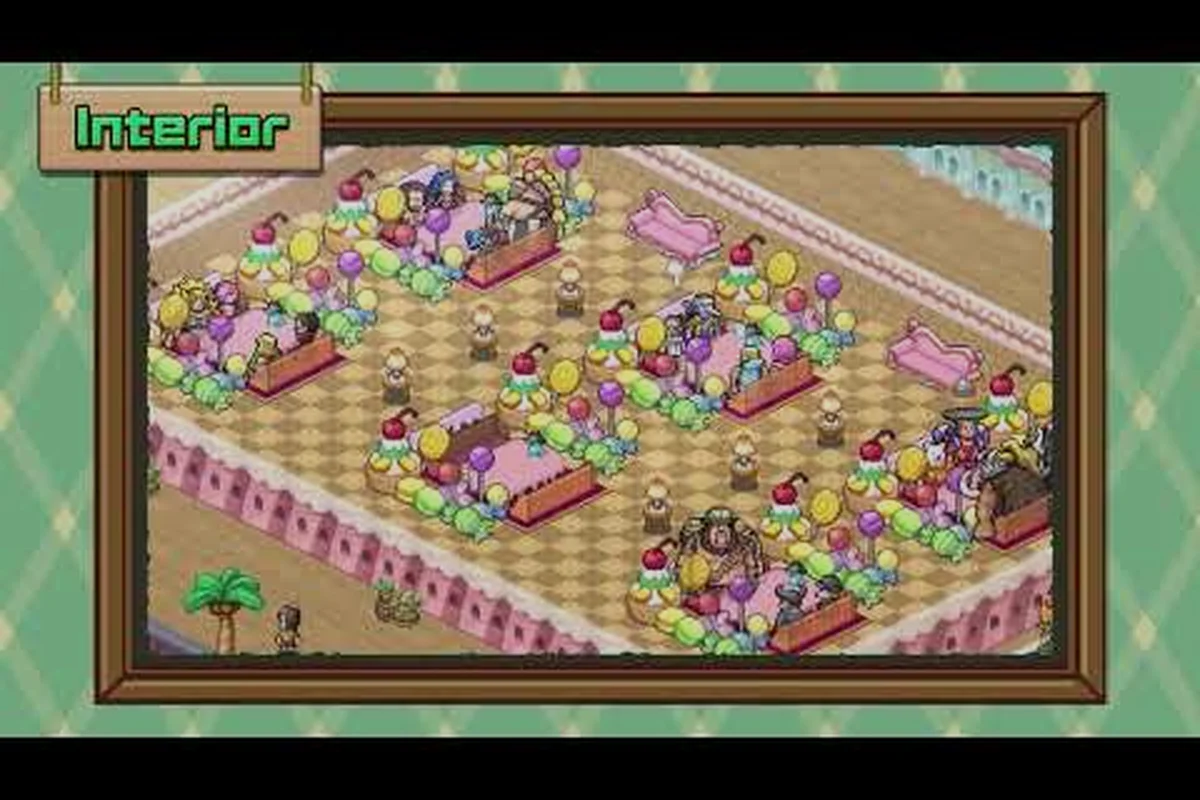
The one piece grand gourmet interior design system is the hidden engine behind your restaurant's growth, because it directly controls which characters visit and whether they return as loyal regulars. While cooking and pricing get the spotlight, the official Bandai Namco materials confirm that decor appeal and menu composition are the two levers that turn one-time visitors into repeat customers. This guide breaks down the full furniture catalog, the theme system, and the practical layouts that maximize your conversion rate from day one.
If you want to build a floating restaurant that characters genuinely love, you need to understand how the furniture list works, which pieces matter most, and how to arrange them for maximum impact. The good news is that the game ships with over 200 furniture, building, and decorative items, so you have plenty of room to experiment. Let's dig into what the official sources tell us and how to apply that knowledge to your own Baratie branch.
The Complete ONE PIECE: Grand Gourmet Furniture List Breakdown
The one piece grand gourmet furniture list spans more than 200 items according to the official ONE PIECE: Grand Gourmet Steam page, and each piece falls into one of three broad categories: furniture, building items, and decorative objects. Understanding this split matters because each category serves a different function in your restaurant's layout and appeal rating.
Furniture covers the functional pieces your customers interact with directly, such as tables, chairs, counters, and seating arrangements. Building items include structural elements like walls, floors, partitions, and extensions that define your physical space. Decorative objects are the flavor pieces that bring personality to your restaurant, ranging from wall art and plants to themed statues and specialty displays.
| Category | Examples | Primary Function | Acquisition Method |
|---|---|---|---|
| Furniture | Tables, chairs, counters, bar stools | Customer seating and service flow | Story progression, shop purchases |
| Building Items | Walls, floors, partitions, windows | Space definition and layout structure | Renovation unlocks, rank rewards |
| Decorative Objects | Wall art, plants, statues, themed displays | Appeal rating and character attraction | Events, rare finds, high-rank shops |
The one piece grand gourmet all furniture collection is organized around island themes, which means you are not just picking random items but building cohesive zones that match specific aesthetics. According to the official Bandai Namco press materials, each themed setup can attract different characters, so your furniture choices directly influence your customer base. A dessert-heavy Whole Cake Island theme pulls different visitors than a futuristic Egghead setup.
Theme Tiers and What They Unlock
The theme system is the backbone of the one piece grand gourmet decoration guide, because it determines which characters find your restaurant appealing. The official site confirms several distinct theme families, each with its own visual identity and character attraction profile.
-
Whole Cake Island: Dessert-themed pieces including candy decorations, cake-shaped seating, and sweet-inspired wall art. These attract characters with a sweet tooth and boost appeal among the Big Mom crew.
-
Egghead: Futuristic items with sci-fi aesthetics, glowing elements, and advanced technology vibes. These appeal to Vegapunk-related characters and tech-minded visitors.
-
Fish-Man Island: Underwater-inspired tables, coral decorations, and ocean-themed accents. These draw Fish-Man Island residents and sea-themed characters.
-
Baratie Classic: Traditional kitchen equipment, nautical decor, and the classic floating restaurant aesthetic. This is your starting theme and remains effective throughout the game.
Each theme tier has its own unlock conditions, and the one piece grand gourmet 200 furniture items are distributed across these families. You will not have access to everything at launch, so planning which theme to pursue first is a strategic decision rather than a cosmetic one.
The Decor-To-Regular Conversion Funnel
The one piece grand gourmet interior design system is not just about making your restaurant look pretty, because the official game description makes it clear that decor directly drives the regular-customer loop. When a character likes your design, they may become a regular who returns repeatedly, generating steady revenue and unlocking character-specific events.
The conversion mechanic works through a simple feedback loop: characters visit your restaurant, evaluate both the food and the interior design, and decide whether to return. The official Bandai Namco US site highlights this exact mechanic, noting that impressed guests may convert into regulars who keep coming back. This means every furniture piece you place is an investment in your long-term customer base.
| Design Factor | Impact on Conversion | Priority Level |
|---|---|---|
| Theme Cohesion | High — matching themes attract specific characters | Critical |
| Appeal Rating | High — higher appeal increases conversion chance | Critical |
| Layout Efficiency | Medium — affects service speed and satisfaction | Important |
| Decorative Density | Low-Medium — too many items can clutter | Moderate |
The key insight from community testing is that theme cohesion matters more than raw item count. Players report that a focused Whole Cake Island corner with matching dessert furniture converts more visitors than a scattered mix of random pieces. This aligns with the official description that themed setups attract different characters, suggesting the game evaluates your design holistically rather than piece by piece.
The Design Appeal Score Explained
Every furniture piece contributes to your restaurant's overall appeal score, which the game uses to determine character reactions. The one piece grand gourmet decor list shows that each item has a hidden appeal value, and these values stack to create your total design appeal.
Best Decorations for Each Island Theme
The one piece grand gourmet best decorations depend entirely on which theme you are building, because each island family has its own standout pieces that deliver outsized appeal value. Based on the official materials and community reports, certain items consistently outperform others within their theme.
For Whole Cake Island themes, the dessert displays and candy-themed seating are the stars. Players report that the Sweet Table Set and Candy Wall Art pieces deliver strong appeal boosts, especially when grouped together. The Egghead theme benefits most from the Futuristic Counter and Glowing Floor Panels, which create a cohesive sci-fi atmosphere that tech-themed characters appreciate.
| Theme | Top Decorative Pieces | Best Furniture | Character Attraction |
|---|---|---|---|
| Whole Cake Island | Candy Wall Art, Dessert Displays | Sweet Table Set, Cake Chairs | Big Mom crew, sweet-tooth characters |
| Egghead | Glowing Panels, Holographic Signs | Futuristic Counter, Tech Tables | Vegapunk affiliates, science characters |
| Fish-Man Island | Coral Statues, Ocean Murals | Shell Tables, Tide Chairs | Fish-Man residents, sea characters |
| Baratie Classic | Nautical Flags, Ship Wheels | Oak Tables, Brass Counters | East Blue regulars, marine characters |
The one piece grand gourmet interior design strategy that emerges from this data is simple: pick one theme, commit to it fully, and let the cohesion bonuses carry your appeal rating. Mixing themes dilutes your conversion potential because the game appears to reward focused design rather than variety.
Building Your First Themed Zone
When you start building your first themed zone, focus on the core furniture pieces first before adding decorative accents. The community consensus is that functional furniture like tables and chairs should match your theme before you invest in wall art and statues.
A practical starting approach is to dedicate one section of your restaurant to your chosen theme, then expand outward as you unlock more pieces. This lets you test the conversion impact of a focused zone before committing your entire restaurant to a single aesthetic.
Smart Interior Design Strategies for Launch Week
The one piece grand gourmet interior design system rewards planning, and your first week sets the tone for your entire playthrough. Based on the official information and community experience, these strategies will help you maximize your decor impact from the start.
Start by identifying which theme you want to pursue based on the characters you want to attract. If you are aiming for specific crew members or story characters, check which theme they prefer and build toward that. The game's character events often require specific design setups, so planning ahead saves you from expensive renovations later.
-
Commit to one theme early: Focus your limited furniture budget on a single theme family to maximize cohesion bonuses.
-
Prioritize functional furniture first: Tables and chairs matter more than decorative pieces for service flow and customer satisfaction.
-
Group themed items together: Clustering matching pieces creates stronger cohesion than scattering them across your restaurant.
-
Watch character reactions: Pay attention to which characters comment on your design and adjust toward their preferences.
-
Save rare pieces for later: High-value decorative items are better saved for when you can build a full themed zone around them.
The one piece grand gourmet 200 furniture items give you enormous creative freedom, but that freedom can be overwhelming without a clear plan. By committing to a theme and building focused zones, you turn the furniture system from a cosmetic distraction into a strategic advantage.
Interior Choices That Backfire Indoors
Community reports highlight several common mistakes that stall restaurant growth, and most of them come from misunderstanding how the design system works. The most frequent error is spreading furniture across too many themes, which dilutes your cohesion bonus and confuses the character attraction system.
Another common issue is over-decorating without considering service flow. While decorative pieces boost appeal, they should not block customer paths or slow down your staff. The best layouts balance visual appeal with functional efficiency, which is where the layout planning guide becomes essential reading.
Advanced Interior Design Tips for Regular Conversion
Once you understand the basics, the one piece grand gourmet interior design system opens up advanced strategies that veteran players use to maximize regular conversion. These techniques go beyond simple theme matching and tap into the deeper mechanics of the game.
The character-specific design preferences are the most powerful tool in your arsenal. According to the official materials, if a character likes your design they may become a regular, which means tailoring your decor to specific characters can create a reliable customer base. This is especially valuable for high-value characters who bring premium revenue and unlock exclusive events.
| Strategy | Implementation | Expected Outcome |
|---|---|---|
| Character Targeting | Build zones matching specific character preferences | Higher conversion for targeted characters |
| Event-Driven Design | Rearrange decor before character events | Better event outcomes and rewards |
| Progressive Theming | Expand themed zones as you unlock more pieces | Sustained appeal growth over time |
| Hybrid Layouts | Combine two complementary themes in separate zones | Broader character attraction range |
The one piece grand gourmet decoration guide becomes a strategic planning tool when you think about which characters you want to attract at each stage of the game. Early on, focus on the characters tied to your main story progression. Later, you can diversify into additional themes to attract a wider customer base.
The Regular-Customer Feedback Loop
The regular-customer loop is the core of long-term success, and interior design is one of the two primary levers that drive it. Each regular customer you convert generates steady revenue and unlocks character-specific content, creating a compounding benefit that accelerates your restaurant's growth.
Players who master the design system report significantly faster progression because their regular customers provide consistent income and unlock valuable events. The deck design guide offers additional insights into how your ship's layout affects the customer experience and conversion rates.
Measuring Your Interior Design Success
Tracking your one piece grand gourmet interior design performance is essential for continuous improvement, because the game provides several metrics that reflect how well your decor is working. Understanding these metrics helps you identify what is working and what needs adjustment.
The most direct metric is your regular-customer conversion rate, which you can observe by tracking how many first-time visitors return. The game also shows character reactions to your design, giving you immediate feedback on whether your theme choices are resonating with specific characters.
| Metric | What It Tells You | How to Improve |
|---|---|---|
| Regular Conversion Rate | How well your design converts visitors | Strengthen theme cohesion, target character preferences |
| Character Reaction Count | Which characters appreciate your design | Adjust themes toward positive reactions |
| Appeal Rating Growth | Overall design quality trend | Add higher-value pieces, improve layout |
| Event Trigger Frequency | How often character events activate | Match design to event requirements |
The one piece grand gourmet decor list gives you the raw materials, but your measurement system tells you how to use them effectively. By tracking these metrics, you can iterate on your design strategy and continuously improve your conversion rates.
When to Renovate and Rebuild
Knowing when to renovate is as important as knowing what to build, because renovations cost berries and time. The community consensus is that major renovations should wait until you have a clear design direction and the furniture to support it.
If you find your conversion rates stagnating despite adding new furniture, that is a signal to evaluate your theme cohesion rather than simply adding more items. Sometimes a focused renovation that consolidates your theme outperforms a scattered expansion that adds variety without cohesion.
Frequently Asked Questions
What is the total furniture count in ONE PIECE: Grand Gourmet?
The official Steam page confirms over 200 furniture, building, and decorative items in the game. This includes functional pieces like tables and chairs, structural elements like walls and floors, and decorative objects like wall art and statues. The full catalog spans multiple island themes.
How does interior design affect regular customers?
According to the official Bandai Namco description, if a character likes your design they may become a regular who returns repeatedly. Decor appeal and menu composition are the two levers that convert one-time visitors into loyal regulars, making interior design a core gameplay mechanic rather than a cosmetic feature.
Which theme should I start with in the interior design system?
Your starting theme depends on which characters you want to attract. The Baratie Classic theme is available from the start and works well for early progression. Whole Cake Island, Egghead, and Fish-Man Island themes unlock as you progress and attract different character groups.
How do I unlock more furniture items?
Furniture unlocks through story progression, shop purchases, renovation milestones, and event rewards, with higher restaurant ranks offering better options. Whole Cake Island dessert pieces and Egghead futuristic items require specific themed events, while Fish-Man Island tables appear via shop rotation. Rare items often need character events, so check the catalog regularly.
Can I mix different theme furniture together?
You can mix themes, but committing to one per zone drives better regular-customer conversion—the game rewards cohesion. Scattering Whole Cake Island sweets with Egghead sci-fi pieces dilutes appeal. Focus on one island theme per room, then test combinations to see which characters convert. For deeper strategy, check the furniture placement guide.