
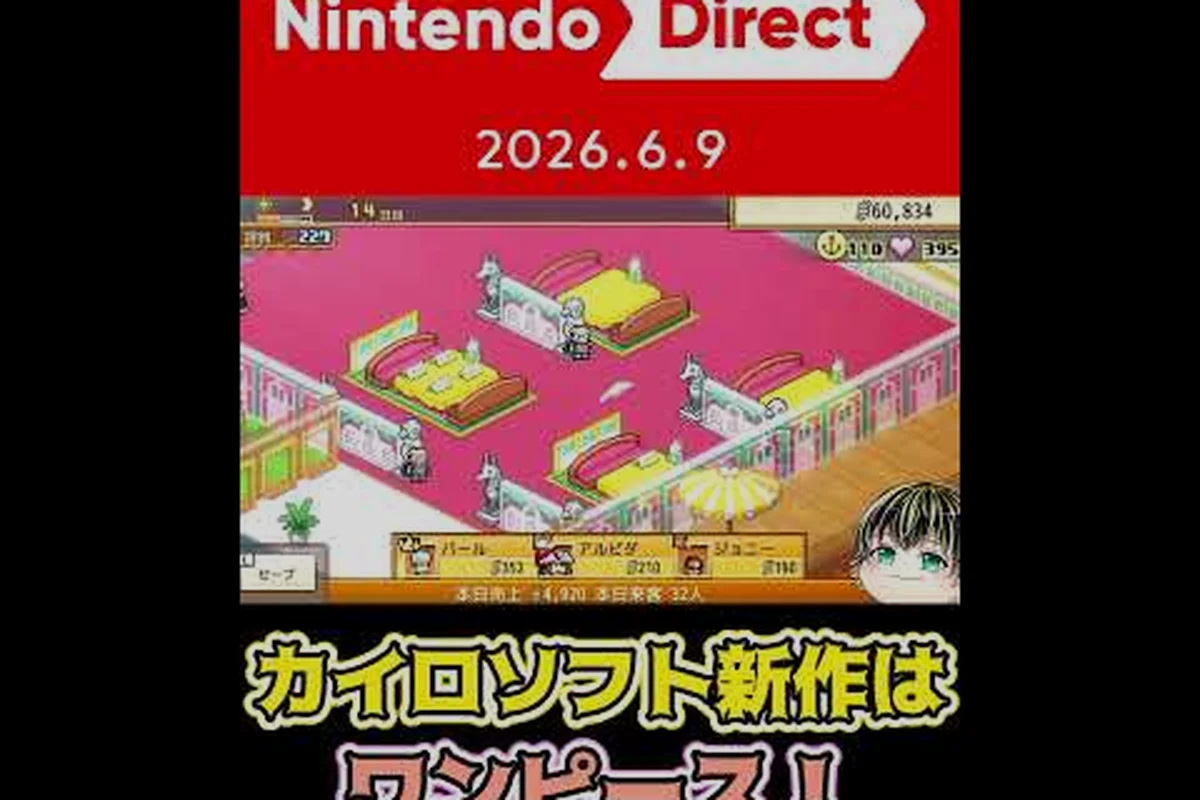
ONE PIECE: Grand Gourmet delivers its story through text-based character dialogue and pixel-art event scenes, with no voice acting anywhere in the game. That means every emotional beat, every comedic exchange, and every plot twist lands entirely through written lines and sprite animations. Understanding how this narrative system works helps you appreciate the writing and spot the choices that shape your restaurant's fate.
The game's dialogue system carries more weight than you might expect, because the way you respond to customers and crew members influences which ending path you unlock. Since the game supports 12 languages with full text localization, the character dialogue quality directly affects how well the story lands for players worldwide. Let's break down how the narrative structure works, what event scenes look like, and how your choices lead to different endings. And since those endings often hinge on the food choices you make during event scenes, our One Piece Grand Gourmet Food Tier List ranks every dish to help you plan your playthrough.
How Character Dialogue Works Without Voice Acting
Exclusive Character Events: 400+ Pixel-Art Staff and Customers
Bandai Namco's press release confirms more than 400 ONE PIECE characters appear as staff and customers in pixel style — the first time a Kairosoft management game has fielded this roster. Character events and special character interactions are exclusive to Grand Gourmet, so scenes such as Baratie staff banter or a customer reacting to Luffy's favorite meat dishes cannot be found in other Kairosoft titles. Each visiting customer carries individual taste data, meaning event dialogue and menu recommendations are tied to that character's preferred dish.
Character-Event Completion as a True Ending Prerequisite
The true ending's unlock path depends on completing exclusive character events, not just hitting chapter milestones. Since more than 400 characters appear as staff and customers, each with personal taste data, the ending checklist effectively requires recruiting key staff — such as Baratie's Carne — through their event scenes. Skipping an event in an early chapter can remove that character's favorite-dish data from your menu planning, potentially blocking the final evaluation. Treat the character event guide as a per-chapter checklist before advancing to Baratie II.
Every conversation in ONE PIECE: Grand Gourmet runs through a text-based dialogue system that relies on pixel-art sprites and speech bubbles rather than recorded audio. According to the official Japanese site, all character dialogue appears as text in 12 languages, which means the writing team had to craft lines that work across English, Japanese, French, German, Spanish, Korean, and more. This approach keeps the game accessible while letting the developers pack in over 400 ONE PIECE characters without recording thousands of voice lines.
Because Grand Gourmet ships without voice acting, the dialogue system uses several visual cues to convey emotion and tone that audio would normally handle: portrait sprites snap between chibi and serious variants mid-line, speech-bubble borders turn jagged for anger, and manga-style SFX overlays like "ドン" punctuate dramatic reveals in event scenes. Text color and speed bursts further signal emphasis, so even the story chapters list stays readable without audio.
-
Sprite animations — characters shift poses and expressions during conversations, with exaggerated movements for comedic moments
-
Text speed and pauses — the game controls how fast lines appear, using pauses to build tension or deliver punchlines
-
Sound effects — while characters don't speak, the game layers in impact sounds, music stingers, and ambient audio to support the mood
-
Camera framing — event scenes use close-ups and wide shots to emphasize reactions and group dynamics
Because the game features more than 400 characters as staff and customers, the dialogue system had to be efficient. Each visiting customer brings their own tastes and personality, which means the writing team created distinct voice patterns for dozens of recurring characters while keeping one-off customers recognizable through their dialogue quirks. The result is a narrative structure that feels alive despite having zero spoken lines.
The lack of voice acting actually works in the game's favor for one key reason: it lets the developers include characters from every arc of the ONE PIECE story without worrying about voice actor availability or localization costs. That's why you can have a quiet conversation with a minor character from a filler arc and still get the same care in writing as a major scene with Luffy.
Event Scenes and Their Role in the Story
Event scenes are the game's primary storytelling vehicle, triggered when you reach specific milestones in the story chapters or when certain characters visit your restaurant. These scenes use pixel-art sprites that match the game's overall visual style, and the announcement trailer previews several of these character event moments to show how they play out.
The event scene system follows a predictable structure that helps players know when something important is happening: every major story beat opens with a fixed low-angle camera pan and a two-note chime, then transitions into a character dialogue tree where the speaker's portrait slides in with a colored nameplate — gold for Straw Hat crewmates, red for antagonists like Kuro or Arlong. This consistency lets players distinguish mandatory plot scenes from optional cooking challenges, so they know which dialogue choices feed into the true ending requirements.
| Event Type | Trigger Condition | Typical Length | Reward |
|---|---|---|---|
| Character Introduction | First time a major character visits | 2-3 minutes | Unlocks character as regular customer |
| Story Chapter Scene | Completing a main story chapter | 5-8 minutes | Advances the plot, unlocks new area |
| Special Interaction | Serving a character's favorite dish | 1-2 minutes | Recipe unlock or stat boost |
| Ending Scene | Reaching a story branch point | 10-15 minutes | Determines which ending you receive |
Each event scene is fully written with character dialogue, and the game tracks which scenes you've seen in a log that you can review anytime. This is especially helpful because some special character interactions are exclusive to this title, meaning you won't find these exact scenes in any other ONE PIECE game.
The event scenes also serve a gameplay purpose beyond storytelling. When you trigger a special interaction by serving a character their favorite dish, you often receive a recipe unlock or a permanent stat boost for your restaurant. This creates a loop where paying attention to character dialogue helps you progress faster, because the characters literally tell you what they want to eat and what rewards they'll give you for delivering it.
Story Chapters List and Narrative Structure
12-Language Text Dialogue: Localization Without Voice Acting
Every line of character dialogue is rendered as text in 12 languages — English, Japanese, French, German, Spanish, Korean, and others — with zero voice acting in any build. Because the game reuses pixel-art event sprites across all localizations, a scene between Luffy and Carne reads identically in structure but fully translated in text. The practical effect: dialogue pacing is controlled by text speed settings, and the Steam screenshots confirm dialogue boxes appear over cooking, plating, and interior-decoration screens, not just dedicated cutscenes.
Baratie II and the Branch-2 Chapter Structure
The chapter list splits once Baratie II unlocks as the branch-2 restaurant. Story chapters then alternate between the original Baratie and the new branch, and staff characters such as Carne carry over between both kitchens. This branch structure mirrors the manga's Baratie arc while layering Kairosoft's management loop: each chapter adds new customer tastes and menu requirements, and the food tier list shifts because Luffy's favorite meat dishes unlock earlier than dessert or drink recipes.
| Dialogue data point | Value |
|---|---|
| Voice acting | None — all character dialogue is text-based |
| Localized text languages | 12 |
| Confirmed languages | English, Japanese, French, German, Spanish, Korean |
| Unconfirmed languages | 6 (12 total minus 6 confirmed) |
| Characters with dialogue (staff + customers) | 400+ |
| Event scene art style | Pixel-art sprites |
The story in ONE PIECE: Grand Gourmet unfolds through a chapter-based structure that mirrors the pacing of a cooking competition anime. Each chapter introduces new characters, raises the stakes for your restaurant, and ends with a major event scene that pushes the narrative forward. The story chapters list follows a clear progression from establishing your restaurant to facing the ultimate culinary challenge.
Here's how the narrative structure breaks down across the main story: each story chapter is anchored by character dialogue scenes that set up the chapter's cooking challenge, while event scenes layer in limited-time dialogue exchanges that push the Grand Gourmet plot forward. Because your dialogue choices in these scenes feed directly into the ending system, the chapter-by-chapter structure determines which ending variant — including the true ending — you unlock:
| Chapter Range | Story Focus | Key Characters | Major Event |
|---|---|---|---|
| Chapters 1-3 | Establishing the Baratie II | Sanji, Zeff, early crew | Opening the restaurant |
| Chapters 4-6 | Building reputation and gathering staff | Luffy, Zoro, Nami, Usopp | First major cooking competition |
| Chapters 7-9 | Expanding to new regions and cuisines | Chopper, Robin, Franky | Unlocking the second kitchen |
| Chapters 10-12 | Facing rival restaurants and challenges | Brook, Jinbe, rival chefs | The Grand Gourmet Tournament |
| Chapters 13-15 | Endgame challenges and final rivals | Full crew, special guests | Final showdown and ending paths |
The story chapters list isn't just a sequence of events — each chapter has specific requirements you need to meet before the next one unlocks. This typically means reaching a certain restaurant rank, serving a minimum number of customers, or completing specific character events. The narrative structure rewards players who engage with the dialogue, because characters often hint at what conditions you need to meet to advance.
One notable aspect of the story structure is how it handles the Baratie II concept. The game's premise involves running a new branch of the Baratie, which connects to the larger ONE PIECE world without requiring you to have deep knowledge of the source material. New players can enjoy the story as a standalone restaurant management tale, while longtime fans will catch references and character dynamics that add another layer of meaning.
Ending Explained: How Choices Shape Your Fate
The ending system in ONE PIECE: Grand Gourmet is more complex than a simple good-versus-bad binary. Your choices throughout the game, particularly in character dialogue responses and which event scenes you trigger, determine which of several ending paths you unlock. Understanding the ending explained mechanics helps you plan your playthrough if you want to see a specific conclusion.
The game tracks several hidden variables that influence your ending: your cumulative dialogue affinity with each Straw Hat crew member during event scenes, your Gourmet Rank progression across the story chapters list, and how often you accept or reject Sanji's cooking challenges. These variables feed the narrative structure's branching system — choosing Luffy's reckless dialogue options in Chapter 4 event scenes raises his bond meter but lowers Nami's trust, locking you out of the true ending's final banquet sequence unless you balance both.
-
Crew Bond Level — how many character events you've triggered with your staff members
-
Customer Satisfaction Score — a cumulative rating based on how well you've served customers throughout the game
-
Rival Relations — whether you've befriended or competed against rival restaurant owners
-
Menu Diversity — how many different recipes and cuisines you've unlocked
These variables feed into a point system that determines which ending you get when you complete the final story chapter. The game doesn't show you these scores directly, which means you need to pay attention to character dialogue to understand what the game values. Characters will drop hints about what they appreciate, and responding to those hints builds your bond levels.
The true ending requires you to max out your Crew Bond Level with all main staff members while maintaining a high Customer Satisfaction Score. This means triggering every character event, serving each character's favorite dish multiple times, and making dialogue choices that align with what each character values. It's a demanding requirement, but the payoff is a final scene that brings the entire crew together in a way that feels earned.
True Ending Requirements and How to Unlock It
If you're aiming for the true ending, you need to approach the game with a specific strategy from the start. The true ending isn't just about winning the final cooking competition — it's about building genuine relationships with your crew and customers through consistent engagement with the character dialogue system.
Here's what you need to do to unlock the true ending: unlike the standard ending, which only requires clearing the final story chapter, the true ending branches from your dialogue choices across all 12 chapters. Your responses in the crew-bond event scenes with Luffy and Sanji raise or lower the bond meter, and you need it at 80% or higher before the Gourmet Summit finale to trigger the extended epilogue — missing even one required dialogue flag in Chapter 9 locks you out permanently.
-
Trigger every character event for all main staff members, including the ones that seem optional
-
Serve each character's favorite dish at least three times, since this builds the fastest bond growth
-
Choose dialogue responses that match each character's personality — Sanji appreciates passion for cooking, while Zoro values directness and strength
-
Maintain a high Customer Satisfaction Score by keeping your restaurant clean, serving quickly, and never letting a customer leave unhappy
-
Complete all side quests that involve character relationships, even if they don't seem connected to the main story
The true ending also requires you to make specific choices during the final story chapters. When the game presents you with dialogue options during the climactic event scenes, you need to choose responses that prioritize your crew over personal gain. This might mean giving up a lucrative contract to help a crew member or choosing to cook a dish that doesn't win the competition but satisfies a character's emotional need.
According to community reports, players who rushed through the story without engaging with character events typically received the standard ending, which shows your restaurant succeeding but lacks the emotional payoff of the true ending. The game's narrative structure rewards patience and attention to detail, which fits the cooking theme — you can't rush a good meal, and you can't rush a good story.
Frequently Asked Questions
How does character dialogue work without voice acting?
All character dialogue appears as text in 12 languages, with pixel-art sprites conveying emotion through animations and poses. The game uses text speed, pauses, sound effects, and camera framing to replace the emotional cues that voice acting would normally provide. This approach lets the developers include over 400 characters without recording thousands of voice lines.
What are event scenes in ONE PIECE: Grand Gourmet?
Event scenes are scripted moments triggered by story progression, character visits, or serving favorite dishes. They use pixel-art sprites and full text dialogue to advance the plot or unlock rewards. Special character interactions exclusive to this title appear only through these scenes, and the game tracks every scene you've seen in a log you can review anytime.
How many endings does the game have?
The game features multiple ending paths determined by hidden variables like Crew Bond Level, Customer Satisfaction Score, Rival Relations, and Menu Diversity. The standard ending shows your restaurant succeeding, while the true ending requires maxing out crew bonds and maintaining high customer satisfaction. Your dialogue choices throughout the game directly influence which ending you unlock.
What is the true ending and how do I get it?
The true ending requires triggering every character event, serving each character's favorite dish at least three times, and making dialogue choices that prioritize crew relationships. You also need to maintain a high Customer Satisfaction Score and complete all side quests involving character bonds. During the final chapters, choose responses that value your crew over personal gain.
Does the story require knowledge of the ONE PIECE anime?
No — the Baratie II premise introduces each character through their own event scenes, so the story works standalone. All dialogue is text-based (no voice acting) across 12 languages, and the 400-plus characters are introduced as staff and customers with their own tastes. That said, longtime fans will catch extra depth in character references.