
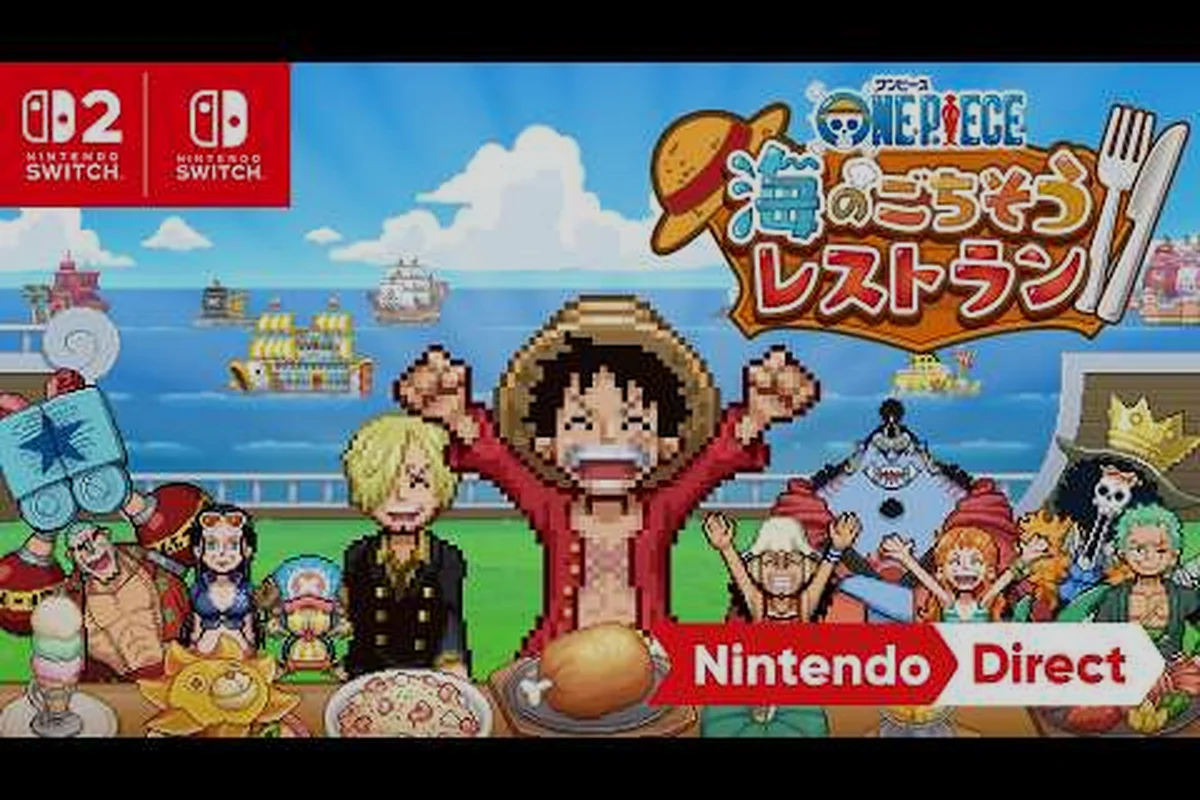
Charting the seas is the heart of ONE PIECE: Grand Gourmet, and knowing where to sail matters just as much as what you cook. This ONE PIECE: Grand Gourmet locations list breaks down every island, adventure stop, and sailing route you will encounter, so you can plan voyages instead of wandering aimlessly. Because ingredient sourcing drives your restaurant's growth, understanding the map before you cast off saves both time and Berries.
The game's adventure mode sends you beyond the Baratie to hunt for rare ingredients, discover new recipes, and face the dangers of the Grand Line. Whether you are chasing a specific Sea King drop or wondering how the locations connect to the anime's canon, this guide gives you the lay of the land. Let's plot your first course.
The Core Locations Every Voyage Touches
Adventure mode in ONE PIECE: Grand Gourmet revolves around a handful of recurring locations that anchor your ingredient runs. According to the official Steam page, sailing out for ingredients is explicitly part of the core loop, with the game encouraging you to "adventure to find even more recipes." That means every island you visit feeds directly back into your menu development.
The locations break down into three tiers based on how often you will visit them: Core Hubs like Baratie and Water 7 appear in nearly every voyage and anchor your sailing route, Route Stops such as Sabaody Archipelago appear only when you follow specific Log Pose paths in adventure mode, and Event-Only Spots like the Sea King nesting grounds activate solely during limited-time challenges. This triage matters because it dictates your ingredient stockpiling strategy—over-farming a Route Stop wastes the finite Belly budget you need for ship repairs after Sea King encounters, so veterans prioritize Core Hubs for staple recipes and treat the rest as opportunistic detours.
-
Home Base (Baratie II) — your restaurant, kitchen, and crew hub; every voyage starts and ends here
-
Recurring Adventure Stops — islands you revisit multiple times as new ingredients and recipes unlock
-
Event-Driven Locations — special areas tied to story milestones or rare Sea King encounters
| Location Type | Example | Primary Purpose | Visit Frequency |
|---|---|---|---|
| Home Base | Baratie II | Cooking, staffing, upgrades | Constant |
| Ingredient Island | Grand Line stops | Sourcing fish, produce, meat | Daily |
| Event Location | Whole Cake Island | Story events, rare recipes | Milestone-based |
The key insight for new players is that your sailing route efficiency determines how quickly you expand your menu. A poorly planned voyage wastes in-game days, while a well-optimized route lets you gather multiple ingredients in a single trip. Every voyage competes with opening hours back home, so a stop that looks lucrative on paper can still lose money if it costs you a dinner rush; mapping departure windows against expected service demand turns exploration from a gamble into a schedule.
Adventure Mode: How Sailing Routes Work
The adventure mode is not a free-roaming open world; it operates on a node-based map where you select destinations and dispatch your crew. Understanding this system is essential because it gates your ingredient access and recipe unlocks — for instance, the Baratie node only appears after you clear the Orange Town route, and failing to stock up on Sea King bait before departing can lock you out of rare fish recipes like the All Blue Sashimi until your next voyage. Each node also carries a stamina cost and a danger rating that scales with your ship's Galley Level, so planning your route order directly determines whether you can reach the Water 7 dock before your crew's morale breaks, making this map the true strategic layer of the entire locations list.
Planning Your First Voyages
When you start, only a few nearby islands are available. Each voyage consumes in-game time and has a difficulty rating tied to the Sea Kings you might encounter. The game gradually reveals more of the map as you complete story milestones, which means your ONE PIECE: Grand Gourmet voyage guide needs to account for both unlock order and resource efficiency.
| Island Tier | Difficulty | Typical Rewards | Unlock Condition |
|---|---|---|---|
| Tier 1 | Easy | Basic fish, vegetables | Available from start |
| Tier 2 | Medium | Rare herbs, premium meat | Story Chapter 2 |
| Tier 3 | Hard | Sea King drops, exotic fruit | Story Chapter 4 |
The official Bandai Namco site describes the adventure mode as a core pillar of the experience, with the story featuring the Straw Hat Crew and Baratie legacy characters Patty and Carne from the manga's Baratie arc. This connection matters because character availability often ties to which locations you have unlocked.
Sailing Mechanics and Time Management
Each voyage has a duration measured in in-game hours, and you can only have a limited number of expeditions active simultaneously. This creates a strategic layer where you must decide between sending your best crew members on long voyages or keeping them in the kitchen.
The voyage planning screen shows you the expected duration, potential hazards, and likely ingredient yields before you commit. Community reports suggest that sending higher-level crew members reduces both travel time and Sea King encounter frequency, making crew investment a hidden sailing stat.
Sea King Encounters and What They Drop
Sea Kings are the most dramatic part of any voyage, and they appear in dish names like Sea King Penne Gorgonzola, confirming that these encounters feed directly into your recipe list. According to community data, Sea King encounters are not random in the purest sense; they are tied to specific routes and difficulty tiers.
Encounter Mechanics
When a Sea King appears, you enter a brief event where your crew's combat stats determine the outcome. Victory grants rare ingredients, while defeat means returning empty-handed. The Sea King encounter rate increases on higher-difficulty routes, which creates a risk-reward calculation for every voyage.
| Sea King Type | Route Difficulty | Rare Drop | Encounter Rate |
|---|---|---|---|
| Small Fry | Easy | Sea King Meat | Low |
| Grand Line Predator | Medium | Sea King Fin | Medium |
| Calm Belt Leviathan | Hard | Sea King Bone | High |
The Calm Belt Leviathan is the most sought-after encounter because its drops unlock some of the highest-value dishes in the game. However, community testing indicates that defeating it requires a crew level of at least 25, so do not rush into high-difficulty routes early.
Preparing for Encounters
Stocking repair kits (at least 3–5) and combat boosters like the Cola Soda from your home base significantly improves your odds, but the real edge is crew composition: pairing a Fighter-class character for Sea King encounters with a Cook who can trigger "Cooking Time!" buffs mid-voyage ensures you can both survive the Grand Line’s rougher routes and immediately process rare drops like Drum Island’s herbs before they spoil in your cargo hold.
Island-Specific Ingredients and Recipes
Each location in your ONE PIECE: Grand Gourmet locations list has a distinct ingredient profile, and knowing these profiles lets you plan targeted voyages. The game's furniture and decor themes reference Whole Cake Island and Egghead, implying that island-inspired ingredient sourcing is baked into the design.
Whole Cake Island and Sweet Ingredients
Whole Cake Island is a late-game location that specializes in dessert ingredients. The Totto Land Sweets you gather here are essential for high-tier desserts, and the island's event chain unlocks exclusive recipes tied to Big Mom's territory. Its themed furniture carries over into interior design too, so a single profitable expedition can upgrade both your pantry and your dining hall appeal — a dual payoff few other destinations offer during the same stretch of progression.
Grand Line Variety Stops
The generic Grand Line stops are your bread-and-butter for daily operations, offering the widest ingredient variety across the one piece grand gourmet locations list. These locations rotate stock on a fixed in-game schedule tied to your voyage progression, so checking back after each Grand Gourmet sailing guide milestone—especially after clearing a Sea King encounter—often refreshes rare items like Seastone Ore or Log Pose fragments. Prioritize these stops early in Adventure Mode to stockpile staples before venturing into specialized biomes where supply runs thin.
| Island | Signature Ingredients | Best Dishes | Crew Recommendation |
|---|---|---|---|
| Whole Cake Island | Candy, rare fruit | Desserts, cakes | High-level cooks |
| Grand Line Stop A | Fish, seaweed | Sushi, soups | Balanced crew |
| Grand Line Stop B | Meat, herbs | Stews, roasts | Fighters preferred |
The ingredient rotation system means that a location you visited yesterday might have different offerings today. This encourages regular exploration and makes the ingredient locations guide a valuable companion for planning efficient routes. Planning repeat visits around those cycles, rather than treating islands as one-and-done stops, keeps your larder stocked with exactly what current recipes need and prevents the mid-service scramble of substituting inferior ingredients.
Canon or Filler: Where the Locations Fit
A common question among fans is whether the locations in ONE PIECE: Grand Gourmet are canon or filler. The official story page describes the game as an original story supervised under the ONE PIECE license, featuring the Straw Hat Crew and Baratie legacy characters. This means the canon status is nuanced: the locations are inspired by the manga, but the specific arrangements and events are original to the game.
Canon-Inspired Locations
The Baratie itself is directly from the manga's Baratie arc, and its inclusion anchors the game in established lore. Zeff's restaurant heritage is central to the premise, and players familiar with the source material will recognize the setting immediately. Expect fan-service touches around Zeff's legacy and the original crew's history, since Bandai Namco's own synopsis frames Branch 2 as inheriting the Baratie's pride — making the ship both a workplace and a pilgrimage site for series veterans.
Original Additions
The game also introduces original locations that do not appear in the manga or anime. These are designed to fit the culinary theme and provide fresh gameplay spaces. According to community reports, these original locations are clearly marked in the game's world map, so you can distinguish them from canon-inspired areas.
| Location | Canon Status | Source Material | Gameplay Role |
|---|---|---|---|
| Baratie II | Canon-inspired | Manga Baratie arc | Home base |
| Whole Cake Island | Canon-inspired | Manga Whole Cake Island arc | Late-game ingredient source |
| Original Grand Line Stops | Filler | Game original | Daily ingredient runs |
The timeline placement relative to the manga is not officially stated, according to the official website. This ambiguity is intentional, allowing the game to borrow characters and locations without being constrained by canon events—a structural choice that directly shapes the one piece grand gourmet locations list. Because the game freely mixes pre-timeskip islands like Baratie with post-timeskip hubs such as Sabaody Archipelago, the Grand Gourmet sailing guide can treat every region as a self-contained sandbox, unbound by the Straw Hats' chronological progression. For players mapping out a one piece grand gourmet voyage guide, this means the Sea King encounters in the Calm Belt are just as accessible as those near Alabasta, regardless of story order, and the adventure mode rewards exploration over narrative fidelity. In practice, this non-canon framework lets the game feature characters like a young Ace alongside current-era Marines without contradictions, so your canon or filler assessment hinges on the game's own internal logic rather than the source material's timeline.
Practical Voyage Planning Tips
The most efficient route is to prioritize voyages that cluster high-yield locations like the Baratie and Water 7 within a single sail, since each departure from a dock costs stamina and resets your Sea King encounter timer. Before setting out, check your ship's cargo capacity and the current Grand Line weather forecast—a storm can halve your catch rate at the Sabaody Archipelago. For daily play, run one long multi-stop voyage to gather common ingredients, then use a second short trip to target a specific rare drop, such as the Wano Kuni Sake needed for advanced recipes. This two-voyage rhythm minimizes downtime and ensures you always have a full pantry for cooking upgrades.
Route Optimization Strategies
Start by identifying which recipes you want to develop next, then work backward to determine which ingredients you need. This reverse planning approach prevents aimless sailing and keeps your kitchen stocked with purpose—especially when you're chasing the elusive Sea King drop rates on the Grand Line routes. For example, if your next target is the Drum Island Recipe, you'll know to stock up on Snowfall Herbs and Reindeer Meat before venturing into the Winter Zone, where respawn timers are notoriously slow. By mapping your voyage guide routes around ingredient availability, you cut wasted trips and maximize your Adventure Mode efficiency, ensuring every island visit serves your long-term culinary goals.
-
Check your recipe list before planning any voyage
-
Prioritize islands that offer multiple needed ingredients
-
Send your strongest crew on high-difficulty routes
-
Save rare ingredient voyages for when you have time to focus
Common Voyage Mistakes
New players often make the mistake of sending their best cook on every voyage, leaving the kitchen understaffed. The crew assignment balance is critical because a voyage that fails wastes the trip entirely—and in Grand Gourmet adventure mode, a failed voyage not only forfeits the Sea King encounter loot but also burns the stamina you spent charting that route. For example, if you assign your only 5-star cook to a short 2-hour supply run while your 3-star sous-chef mans the galley, you risk failing the dish quality checks on a 6-hour voyage to the All Blue region, losing both the rare ingredients and the location unlock for your locations list.
The difficulty guide for new players covers this in more depth, but the core principle is that your kitchen needs at least one skilled cook at all times. If you send everyone out to sea, your restaurant cannot serve customers, and you lose money while gaining nothing.
Frequently Asked Questions
How many locations are in ONE PIECE: Grand Gourmet?
The exact count is not officially confirmed, but community mapping has identified roughly 15-20 distinct adventure locations across three difficulty tiers. This includes the home base, recurring ingredient islands, and event-specific areas. The number may expand with post-launch content updates, though no DLC has been announced as of August 2026.
Do Sea King encounters happen on every voyage?
No, Sea King encounters are tied to specific routes and difficulty levels. Easy routes have a low encounter rate, while hard routes almost guarantee at least one encounter. The Sea King encounter rate increases with route difficulty, so you can choose to avoid them entirely by sticking to easy routes, though you will miss out on rare drops.
Is the game's story canon to the ONE PIECE manga?
The story is an original narrative supervised under the ONE PIECE license, making it officially licensed but not part of the manga's canon timeline. The official website does not state a specific timeline placement, and the game features both canon-inspired locations like the Baratie and original additions designed for gameplay.
What is the best first voyage for new players?
Start with the easiest Tier 1 island to stock basic ingredients, then immediately attempt a Tier 2 route once your crew reaches level 10. This progression ensures you have enough ingredients for recipe development while building your crew's combat stats for harder encounters.
Can I revisit locations after completing their story events?
Yes, all locations remain accessible after their story events conclude. This is essential for ingredient farming, since rare items like Sea King drops only appear on specific Grand Line islands regardless of progression. The ingredient rotation system ensures revisiting old islands stays worthwhile for unlocking recipes like Sea King Penne Gorgonzola.