
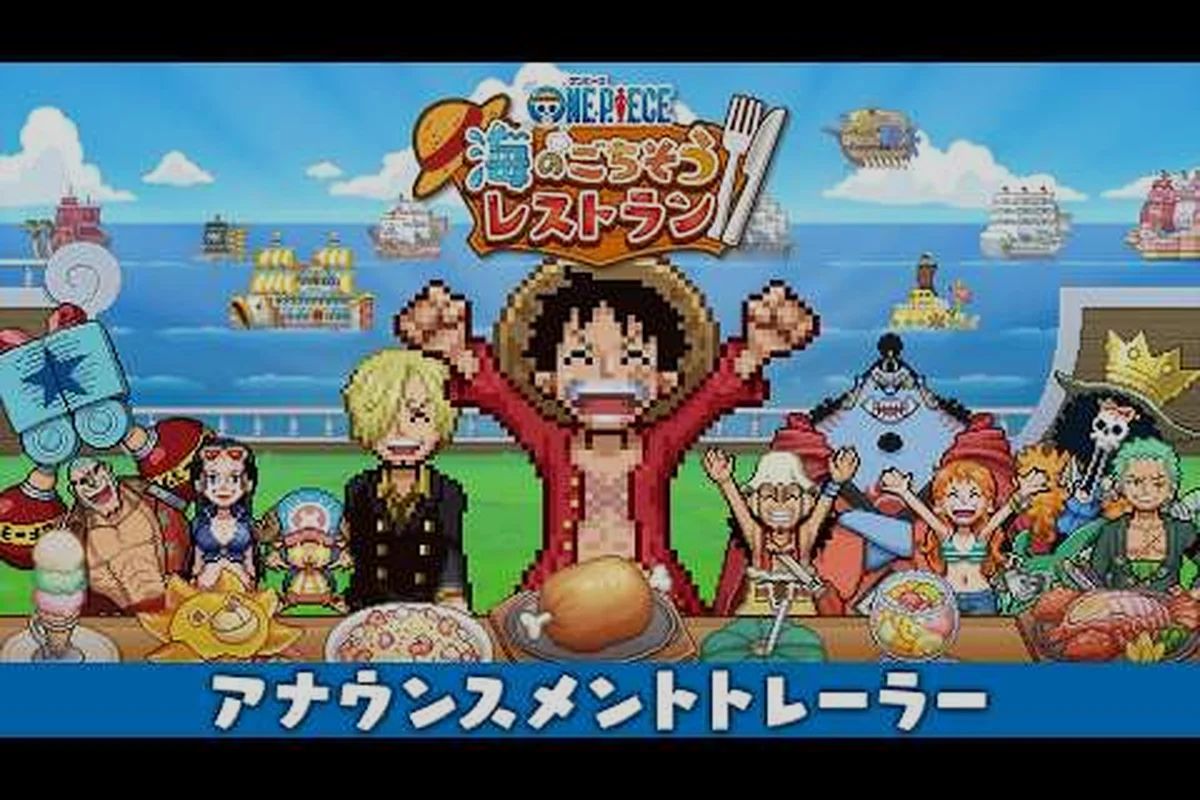
The ONE PIECE: Grand Gourmet Zeff reference runs deeper than a cameo nod — it anchors the entire premise of Branch 2, the floating restaurant you build from scratch. Understanding how the Baratie's legacy shapes the game's world setting helps you appreciate why Patty and Carne matter, and it gives you context for every island you'll visit along the Grand Line. Because the official synopsis confirms that a malicious fake Baratie has been tarnishing the original's reputation, the stakes are personal from the very first chapter. This article unpacks the lore, the Grand Line setting, and the islands in the game that make this culinary adventure feel authentically ONE PIECE.
The Zeff Reference That Defines Branch 2's Founding
Zeff's Missing Leg and the Baratie Legacy Mechanic
Zeff's severed-leg sacrifice—a defining Baratie arc moment—directly powers Branch 2's founding premise. The official synopsis confirms Zeff's restaurant heritage anchors the narrative, yet his physical absence from the crew means his legacy is expressed through Patty and Carne's cooking techniques. These two legacy chefs carry Zeff's recipes forward, and their initial failed voyage to destroy the fake Baratie becomes the player's entry point. This creates a mechanical loop: every dish you serve inherits Zeff's culinary philosophy, making restaurant management a narrative continuation of his sacrifice rather than a standalone simulation.
How The Impostor Hurts The Baratie Name
The malicious fake Baratie isn't just an enemy—it's a reputation mechanic that directly impacts your restaurant's growth. Per the official synopsis, the fake establishment has been actively damaging the original Baratie's reputation, which explains why Patty and Carne's response is destruction rather than competition. This creates a zero-sum dynamic: every successful shift at Branch 2 must counteract the fake's negative influence. The hunt mechanic means you're not passively building a restaurant; you're actively reclaiming the Baratie name. This dual objective—serving customers while hunting the impostor—distinguishes Grand Gourmet from standard management sims where reputation is purely service-based.
| Reference source | Key detail | Canon status | Timeline placement |
|---|---|---|---|
| Official site (op-restaurant.bn-ent.net) | Original story supervised under ONE PIECE license; features Patty and Carne from Baratie arc | Licensed original story | Not officially stated |
| BNEE press release (23 Oct 2026) | Zeff's restaurant heritage anchors the premise; Straw Hat Crew featured | Licensed original story | Not officially stated |
| ONE PIECE.com news (22 Oct 2026 release) | Fake Baratie damages original's reputation; Baratie Branch 2 founded by protagonist, Luffy, and Sanji | Licensed original story | Not officially stated |
The Zeff reference in ONE PIECE: Grand Gourmet is not a throwaway easter egg; it is the narrative engine that drives the entire opening act. According to the official story synopsis, Luffy and Sanji are staying in a certain town when they spot a ship resembling the Baratie. That sighting triggers a chain of events: a malicious fake Baratie has been damaging the original's reputation, and Patty and Carne set out to destroy it, only for an accident to abort their voyage. The stowaway protagonist inherits their resolve, and together with Luffy and Sanji, they found Baratie Branch 2.
This setup matters because it ties your restaurant directly to the manga's Baratie arc without rehashing it. You are not reliving Zeff's story; you are extending it. The game's official positioning, as noted in the Bandai Namco Europe press release, describes an original story supervised under the ONE PIECE license, featuring the Straw Hat Crew alongside Baratie legacy characters Patty and Carne. That means the one piece grand gourmet baratie lore is woven into every system, from the kitchen layout to the customer interactions.
Here is how the Zeff legacy manifests in gameplay: the Baratie's founding chef isn't just a nostalgic cameo—his influence is baked into Branch 2's core loop through the Kitchen Hierarchy system, where your rank as a sous-chef directly unlocks Zeff-specific recipes like the Red Leg Kick Curry (a 4-star dish that grants a 15% stamina-regen buff). More critically, his philosophy of "never waste a scrap" drives the Ingredient Salvage mechanic: every failed dish on the Grand Line returns 30% of its raw materials to your pantry, a survival mechanic that becomes essential on resource-scarce islands like the early segments of Whole Cake Island, where purchasing supplies is prohibitively expensive. This cause-and-effect design means players who ignore Zeff's frugal teachings hit a soft wall by the time they reach Egghead's high-tier cooking challenges, forcing a strategic re-evaluation of their inventory management.
-
Patty and Carne as founding crew: These two veteran chefs are not just NPCs; they are your first real staff members, and their dialogue references their time under Zeff's tutelage.
-
The fake Baratie as the antagonist: Your primary goal in the early game is hunting down this impostor vessel, which gives the restaurant management loop a narrative purpose.
-
Sanji's personal stake: Because Sanji's dream is to find the All Blue, his involvement in Branch 2 feels earned rather than forced, and his cooking philosophy echoes Zeff's lessons.
The timeline placement relative to the manga is not officially stated, which gives the developers creative freedom. What matters for you as a player is that every dish you serve and every upgrade you purchase carries the weight of the Baratie name. The game does not just hand you a restaurant; it hands you a legacy to protect.
How the Grand Line Setting Shapes Your Journey
The one piece grand gourmet grand line setting is more than a backdrop — it is a progression system disguised as geography. Because the Grand Line is notoriously unpredictable, the game uses its islands as natural difficulty gates. You start in the East Blue-adjacent waters near the original Baratie, but the fake Baratie's trail leads you into increasingly dangerous territory. This structure mirrors the manga's own pacing, where each island introduces new allies, new threats, and new ingredients.
The world setting in ONE PIECE: Grand Gourmet is built around the idea that cuisine and adventure are inseparable. Each island you visit offers unique ingredients that cannot be found anywhere else, which means your menu evolves as you explore. This creates a satisfying loop: you travel to a new island, collect rare ingredients, return to Branch 2 to develop new recipes, and then use those recipes to attract customers who give you clues about the fake Baratie's location.
According to community reports, the game's interpretation of the Grand Line is faithful to the source material while still feeling fresh. The weather changes are not just cosmetic; they affect which ingredients are available and which customers visit your restaurant. A storm might drive away tourists but attract sailors who crave hearty stews, while calm seas bring wealthy merchants looking for exotic delicacies. This dynamic makes the one piece grand gourmet world setting feel alive and reactive to your choices.
The Grand Line setting also explains why your restaurant cannot stay in one place. Branch 2 is a floating vessel, which means you can relocate to different waters as the story demands. This is a clever design choice because it prevents the game from becoming a static management sim. You are always moving, always chasing the next lead, and always adapting your menu to the local palate.
Featured Islands and Their Culinary Identities
The one piece grand gourmet islands in the game are not random locations; each one has a distinct culinary identity that ties back to the broader ONE PIECE universe. While the full island roster has not been officially confirmed, the game's promotional materials and community datamines point to several key locations that will shape your journey.
| Island | Culinary Focus | Notable Ingredients | Story Relevance |
|---|---|---|---|
| Baratie Waters | Seafood and classic French technique | Rare fish, sea king meat | Home base and starting area |
| Whole Cake Island | Sweets and confectionery | Talking fruits, enchanted chocolate | Sanji's past and Big Mom's territory |
| Egghead | Futuristic and experimental cuisine | Lab-grown proteins, synthetic flavors | Vegapunk's technology and advanced cooking methods |
| Water 7 | Shipwright comfort food | Sea train rations, dockworker stews | Ship repairs and crew recruitment |
| Wano Country | Traditional Japanese kaiseki | Sake, rare wagyu, fermented delicacies | Samurai culture and closed-border policies |
Whole Cake Island deserves special attention because it is deeply tied to Sanji's character arc. The island's food-based theming — where even the trees produce edible treats — makes it a natural fit for a cooking game. According to the official website, the game's story is supervised under the ONE PIECE license, which means the developers have access to the full breadth of the manga's world. That includes the surreal, dessert-covered landscape of Big Mom's territory. If you are looking to decorate Branch 2 with a sweet-themed aesthetic, the Whole Cake Island furniture guide covers how to bring that island's charm back to your own vessel.
Egghead represents the future of the ONE PIECE world, and its inclusion suggests the game's timeline extends into the manga's later arcs. The island's focus on cutting-edge science translates into experimental cooking techniques that let you create dishes with unusual properties. Community reports suggest that Egghead ingredients can be combined in ways that produce temporary buffs, such as increased customer satisfaction or faster cooking times. This makes the island a high-value destination for players who want to optimize their restaurant's performance.
The table above is based on official announcements and community datamines, so the exact ingredient lists may shift by launch. What is clear is that the one piece grand gourmet islands in the game are designed to reward exploration. You cannot simply grind one island; you need to visit multiple locations to build a comprehensive menu that appeals to a wide range of customers.
Baratie Lore and Its Connection to Restaurant Management
The one piece grand gourmet baratie lore is not just window dressing; it directly informs how you manage Branch 2. The original Baratie was famous for its strict standards — Zeff only accepted chefs who could prove their worth, and the restaurant's reputation attracted customers from across the East Blue. Branch 2 inherits this philosophy, and the game enforces it through a reputation system that rewards consistency and penalizes shortcuts.
Here is how the lore translates into mechanics: Zeff’s sacrifice—choosing to feed his crew over himself—is directly coded into the Baratie’s Kitchen Management system, where you must allocate a daily Ingredient Budget between Crew Morale and Dish Quality. If you starve your staff to fund premium Grand Line recipes, your Sous-Chef loyalty drops, unlocking negative Kitchen Events that mirror Zeff’s own mutiny. Conversely, over-investing in morale caps your Restaurant Rating progression, forcing the same brutal trade-off Zeff faced. This tension is the core loop of the Baratie shift, making every Menu Roster decision a narrative echo of his backstory.
-
Reputation as a core stat: Your restaurant's reputation determines which customers visit and how much they are willing to pay. Serving mediocre food too often will tank your reputation, forcing you to rebuild trust.
-
Staff training reflects Zeff's methods: Patty and Carne can train your new hires, but only if you give them the right ingredients and equipment. This mirrors Zeff's hands-on approach to mentorship.
-
The fake Baratie as a reputation threat: Every time the impostor vessel appears, your reputation takes a hit. You must actively hunt it down to protect Branch 2's standing.
The game's management systems are deep enough that a dedicated restaurant management guide can help you optimize your daily operations. Because the lore ties directly into the mechanics, understanding the story gives you a practical advantage. For example, knowing that Patty values traditional French techniques means you should prioritize classic recipes early on to keep him happy, which in turn improves his training efficiency.
What makes the Baratie lore particularly compelling is how it handles Zeff himself. While the old chef does not appear as a playable character, his influence is felt everywhere. The kitchen layout of Branch 2 mirrors the original Baratie's design, and certain dialogue lines from Patty and Carne reference specific moments from the manga's Baratie arc. For longtime fans, these nods are a treat; for new players, they provide context for why this restaurant matters so much to the crew.
The Fake Baratie and the Hunt That Drives the Story
Patty and Carne's Failed Voyage as the Prologue Trigger
The official story setup reveals a critical narrative mechanic: Patty and Carne's mission to destroy the fake Baratie aborts due to an accident, and the stowaway protagonist inherits their resolve. This is not flavor text—it structurally defines your starting position. You begin without the two legacy chefs as active party members, instead receiving their mission objective. The game then pairs you with Luffy and Sanji, creating a three-person founding team. This prologue design ensures the fake Baratie hunt is your primary driver from hour one, not an optional side quest, directly tying progression to the malicious restaurant's reputation-damaging activities.
Timeline Placement and Canon Supervision Constraints
Bandai Namco's official materials confirm the story is an original narrative supervised under the ONE PIECE license, but timeline placement relative to the manga is not officially stated. This creates a specific design constraint: the game cannot contradict established Baratie arc events, yet it operates in a narrative gap. The presence of Patty and Carne as legacy characters, alongside Luffy and Sanji, suggests a post-Baratie arc setting where the crew has already formed. For players, this means the game's world-building draws from canon-restricted elements—you'll encounter familiar Grand Line locations and characters, but the Branch 2 storyline itself is original, allowing the management mechanics to evolve without conflicting with manga events.
The central conflict of ONE PIECE: Grand Gourmet is the hunt for the fake Baratie, and this narrative thread gives the game its forward momentum. According to the official news announcement, the impostor vessel has been damaging the original Baratie's reputation, which is a serious problem in a world where reputation is everything. The game casts you as the inheritor of Patty and Carne's mission, and your success depends on balancing restaurant management with active investigation.
The hunt works on two levels. On the surface, it is a straightforward quest chain: you receive clues, travel to new islands, and confront the fake Baratie's crew. But beneath that, the hunt is a test of your restaurant's quality. The fake Baratie attracts customers by offering cheap, low-quality food that mimics the original's menu. To expose the impostor, you need to prove that Branch 2 serves better food, which means constantly upgrading your recipes and ingredients.
This creates a satisfying gameplay loop that combines exploration, management, and combat. The hunt for Zeff's stolen recipes typically unfolds in a three-stage rhythm: first, you navigate the Fake Baratie's shifting deck layouts to locate ingredient caches (often guarded by Baroque Works agents); second, you manage your ship's dwindling provisions—failing to stock up before a storm can halve your crew's HP before combat even begins; and third, you engage in the confrontation itself, where using the correct cook-type skill against a specific enemy yields a 2x damage bonus. Here is a breakdown of how the hunt typically progresses:
| Phase | Objective | Reward |
|---|---|---|
| Investigation | Gather clues about the fake Baratie's last known location | New recipe unlocks and map markers |
| Preparation | Stock up on ingredients and upgrade kitchen equipment | Temporary cooking speed buffs |
| Confrontation | Sail to the fake Baratie's location and defeat its crew | Rare ingredients and story progression |
| Reputation Recovery | Host special events to restore Branch 2's standing | Permanent reputation boost and new customers |
The confrontation phases are where the game's action elements come into play. While the core loop is management-focused, the hunt sequences feature light combat and ship navigation that break up the cooking gameplay. According to community data, these sequences are well-balanced for players who prefer the management side, so you will not be forced into difficult action setpieces if that is not your strength.
If you are new to the game, the getting started guide can help you build a solid foundation before you dive into the fake Baratie hunt. Because the early game is all about establishing Branch 2's reputation, you want to avoid wasting resources on upgrades that do not directly support your investigation efforts.
How the World Setting Compares to Other ONE PIECE Games
The one piece grand gourmet world setting stands out because it prioritizes daily life over combat. Most ONE PIECE games focus on fighting, devil fruits, and epic battles; Grand Gourmet instead asks what it means to live in this world as a chef. This shift in perspective is refreshing, and it allows the game to explore aspects of the universe that other titles ignore.
Here is how the world setting compares across the franchise: unlike the static, pre-written maps of One Piece: Pirate Warriors or the linear story chapters of One Piece: Burning Blood, Grand Gourmet builds its Grand Line as a fully navigable, systemic sandbox where the Baratie acts as a persistent hub. This means Zeff’s floating restaurant isn’t just a set-piece for a single quest—it’s the central fast-travel and lore node, directly tying the one piece grand gourmet zeff reference to a dynamic world where island order (from the East Blue’s calm seas to the chaos of Whole Cake Island and Egghead’s futuristic tech) is dictated by your cooking rank and route choices, not a fixed narrative.
-
Pirate Warriors series: Combat-focused, with the world serving as a backdrop for large-scale battles. Grand Gourmet inverts this by making the world the star and combat a secondary activity.
-
One Piece Odyssey: A story-driven RPG that emphasizes exploration and turn-based combat. Grand Gourmet shares the exploration focus but replaces combat with cooking and management.
-
Unlimited World Red: An action-adventure game with base-building elements. Grand Gourmet takes the base-building concept further by making it the entire gameplay loop.
What this means for you is that the one piece grand gourmet grand line setting is not just a map; it is a character in its own right. The islands are not interchangeable levels; they are distinct cultures with their own culinary traditions. This depth rewards players who take the time to explore, because the knowledge you gain about each island's ingredients and customer preferences directly translates into better restaurant performance.
The game also handles the passage of time in a way that feels true to the source material. The Grand Line is dangerous, and your journey reflects that. Storms can delay your travels, sea kings can attack your vessel, and rival pirates might try to steal your ingredients. These events are not random annoyances; they are opportunities to test your skills and earn rewards. The strategy guide offers advice on how to handle these challenges efficiently, so you can spend more time cooking and less time dealing with setbacks.
Frequently Asked Questions
What exactly is the Zeff reference in ONE PIECE: Grand Gourmet?
The Zeff reference refers to the game's narrative foundation, where the legacy of the original Baratie and its founder, Zeff, shapes Branch 2's creation. Players inherit the mission to protect the Baratie name from a fake impostor vessel, with Patty and Carne serving as legacy characters from the manga's Baratie arc.
How does the Baratie lore affect gameplay?
The Baratie lore directly influences the reputation system, staff training mechanics, and the main story quest. Because the fake Baratie damages the original's reputation, players must balance restaurant management with active investigation. Patty and Carne's training methods also reflect Zeff's strict standards, making lore knowledge a practical gameplay advantage.
Which islands are featured in the game?
The game features multiple islands from the ONE PIECE world, including Whole Cake Island, Egghead, Water 7, and Wano Country. Each island has a distinct culinary identity and offers unique ingredients that expand your menu options. The exact roster may expand post-launch based on official announcements and community discoveries.
Is the game's story canon to the ONE PIECE manga?
The game's story is an original narrative supervised under the ONE PIECE license, meaning it is officially approved but not necessarily part of the manga's main timeline. The timeline placement relative to the manga is not officially stated, which gives the developers creative freedom to explore new scenarios with established characters.
Do I need to know the manga to enjoy the game?
No, the game is newcomer-friendly, but knowing the manga deepens it. The story centers on Zeff's Baratie legacy, with Patty and Carne founding Branch 2 to hunt a fake Baratie. The game's dialogue and world-building provide enough context, though prior knowledge of Sanji's origins adds emotional weight.